Understanding What Goes Into a Varicose Vein Treatment Before You Schedule
For many people, varicose veins are more than a cosmetic concern — they are a source of daily discomfort, fatigue, and in some cases a sign of a more significant underlying venous condition that deserves professional evaluation. The decision to seek treatment is an important one, and patients who understand what the process involves before they schedule their first appointment consistently feel more prepared, more confident, and more satisfied with their overall care experience. There are several steps between recognizing a problem and completing treatment, and knowing what each of those steps involves removes much of the uncertainty that can delay people from seeking the care they genuinely need. This guide walks through each phase of the evaluation and treatment process so that patients can approach their first consultation with accurate and empowering expectations.
Understanding Why Vascular Conditions Deserve Prompt Attention
According to WHO, cardiovascular diseases are the leading cause of death globally, which places vascular health at the center of one of the most significant public health challenges facing communities around the world and underscores why early professional evaluation of vascular concerns is so important. Varicose vein treatment is one of the most commonly sought vascular interventions, and patients who address these conditions early, rather than waiting until symptoms become severe, consistently experience better outcomes with less invasive approaches than those who delay evaluation until more significant venous disease has developed. Board-certified vascular surgeons with over 40 years of experience serving South Atlanta communities bring the clinical depth to evaluate venous conditions accurately and to recommend the most appropriate treatment approach based on the specific condition of each patient, rather than a generalized protocol.
Recognizing the Symptoms That Indicate a Consultation Is Needed
Varicose veins are visible as twisted, bulging vessels beneath the skin's surface, but the symptoms that accompany them often extend well beyond what is visible, including aching, heaviness, swelling, itching, and in some cases skin changes around the ankle and lower leg that signal more advanced venous disease. Varicose vein treatment consultations are most productive when patients arrive having observed and noted their symptoms over time, including when they feel worse — typically after prolonged standing or sitting — and whether any skin changes, ulcers, or episodes of bleeding from the veins have occurred. A free vein consultation with a board-certified surgeon allows patients to describe these symptoms in a clinical setting where a trained specialist can connect the symptom pattern to the underlying venous anatomy and determine what diagnostic evaluation is most appropriate for the individual case.
Learning What a Vascular Ultrasound Reveals About Vein Function
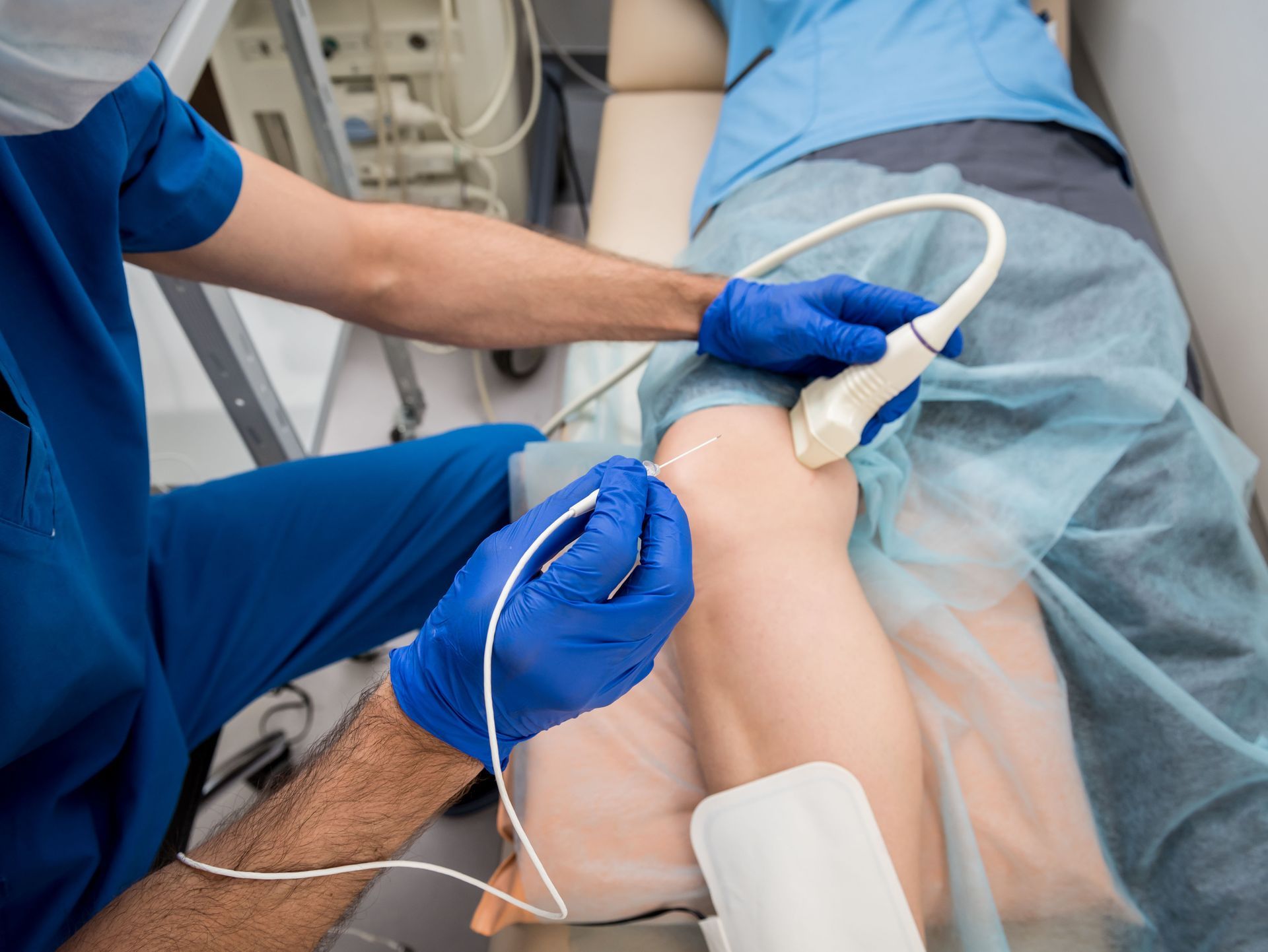
The first step in any professional vein evaluation is typically a vascular ultrasound, which provides a detailed map of the venous anatomy and reveals how blood is actually moving through the veins — including whether valves are functioning correctly or whether reflux, the backward flow of blood that causes varicose veins to develop, is present at specific points in the venous system. Varicose vein treatment decisions are almost always guided by the findings of this imaging study, because the ultrasound identifies the source of the problem at the venous level rather than simply addressing the surface appearance of the veins that are visible through the skin. State-of-the-art ultrasound technology used by experienced technicians produces the diagnostic accuracy that allows the surgical team to develop a truly personalized treatment plan based on the specific anatomy and physiology of each patient's venous system rather than a standardized approach.
Understanding the Minimally Invasive Options Available Today
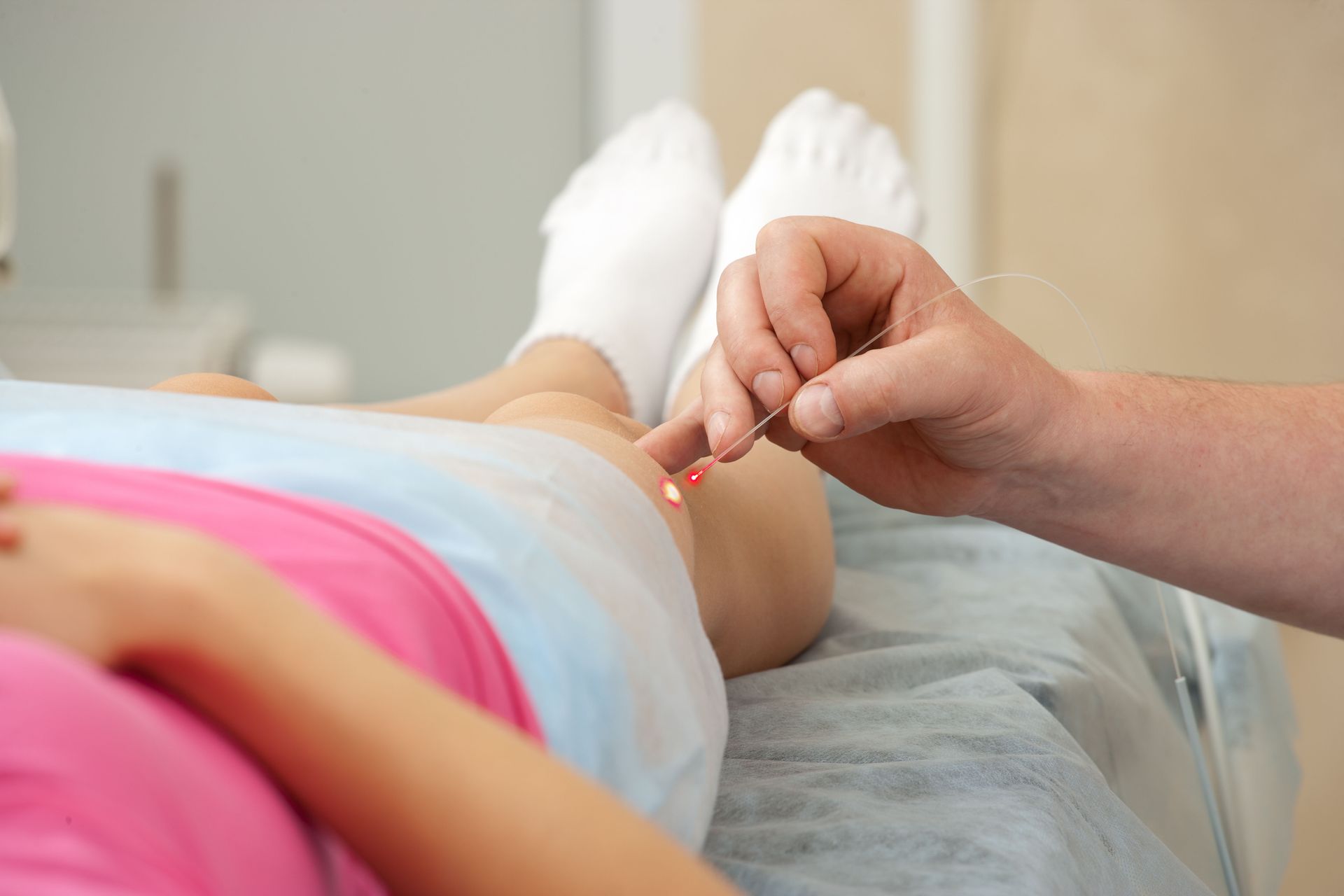
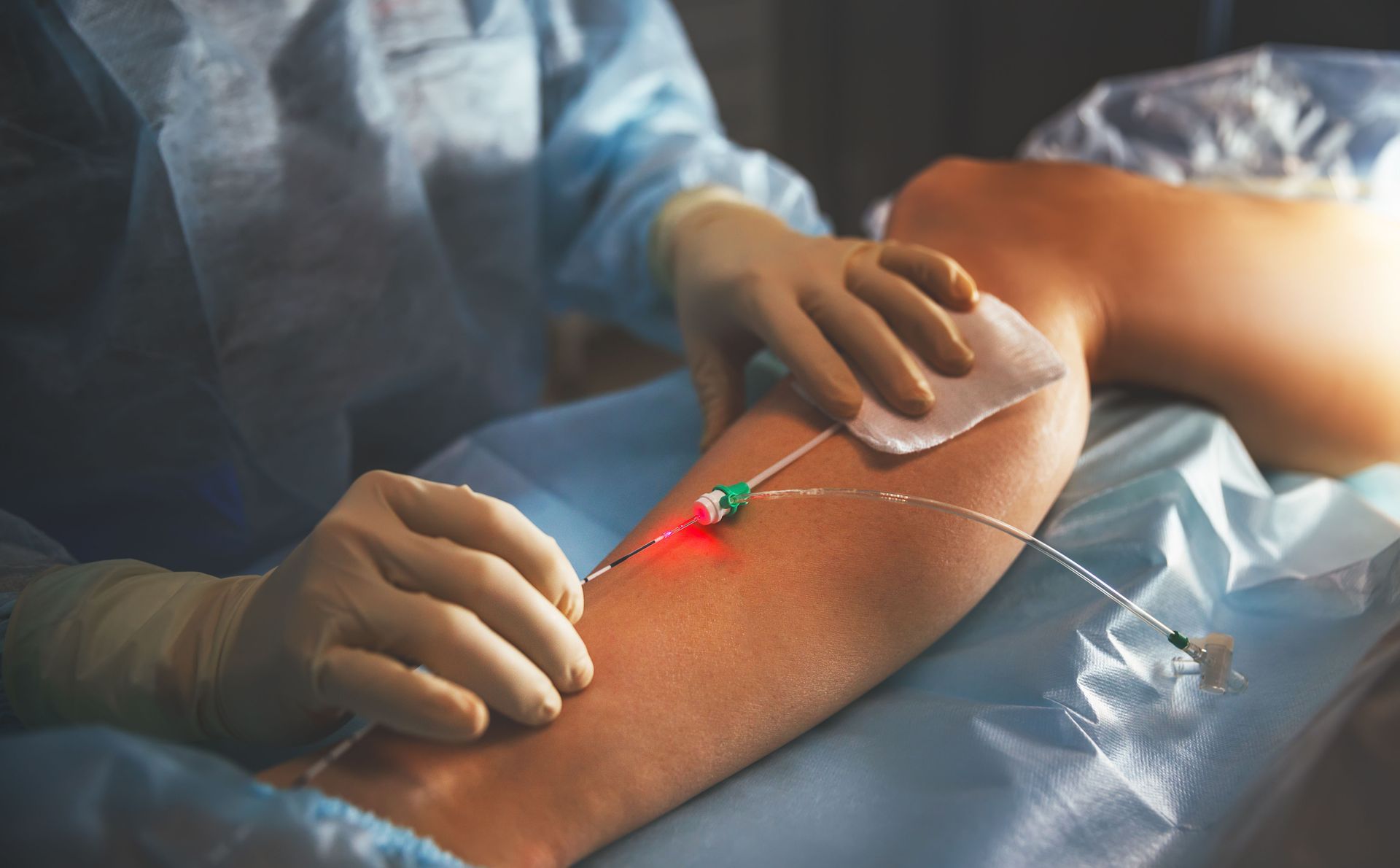
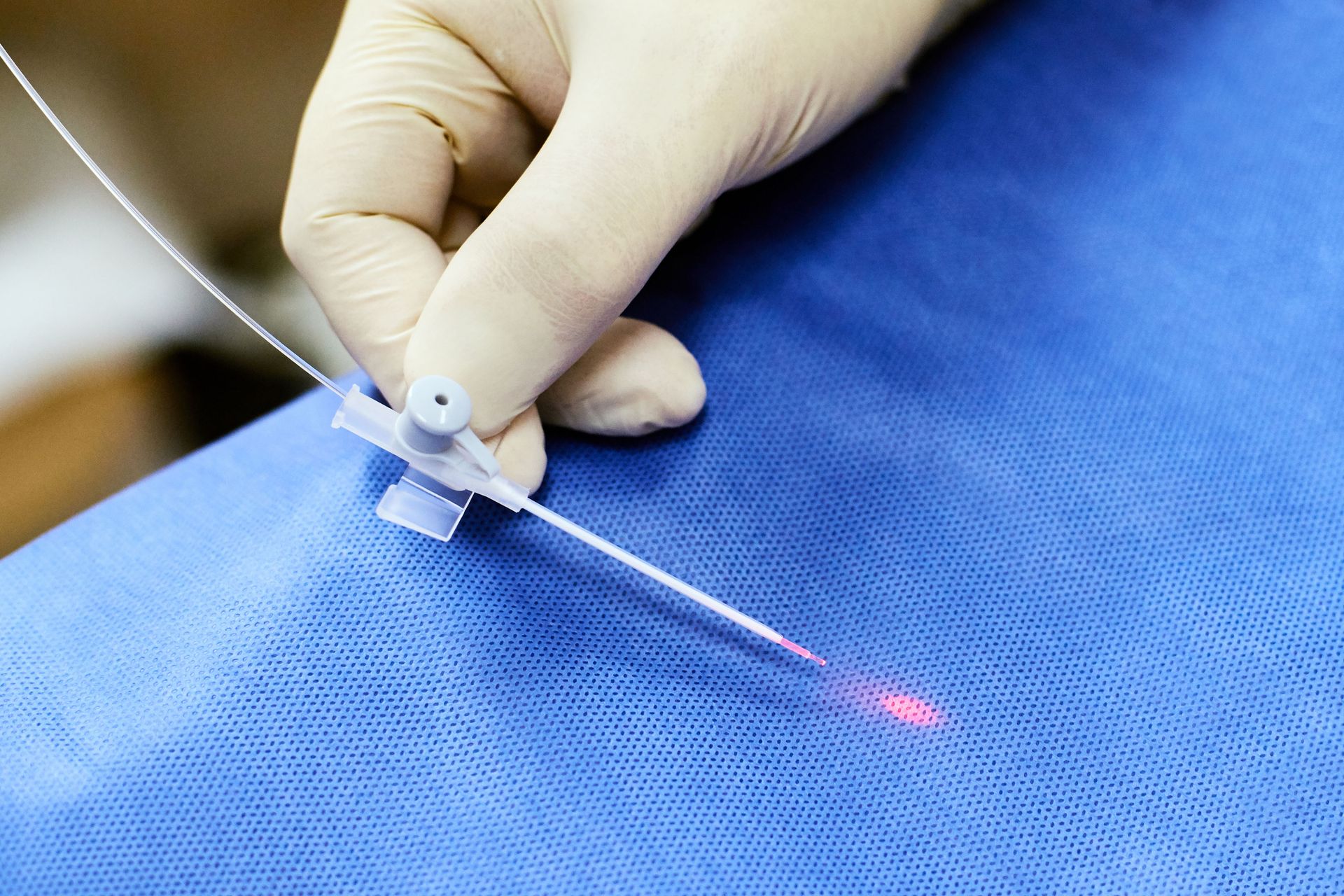
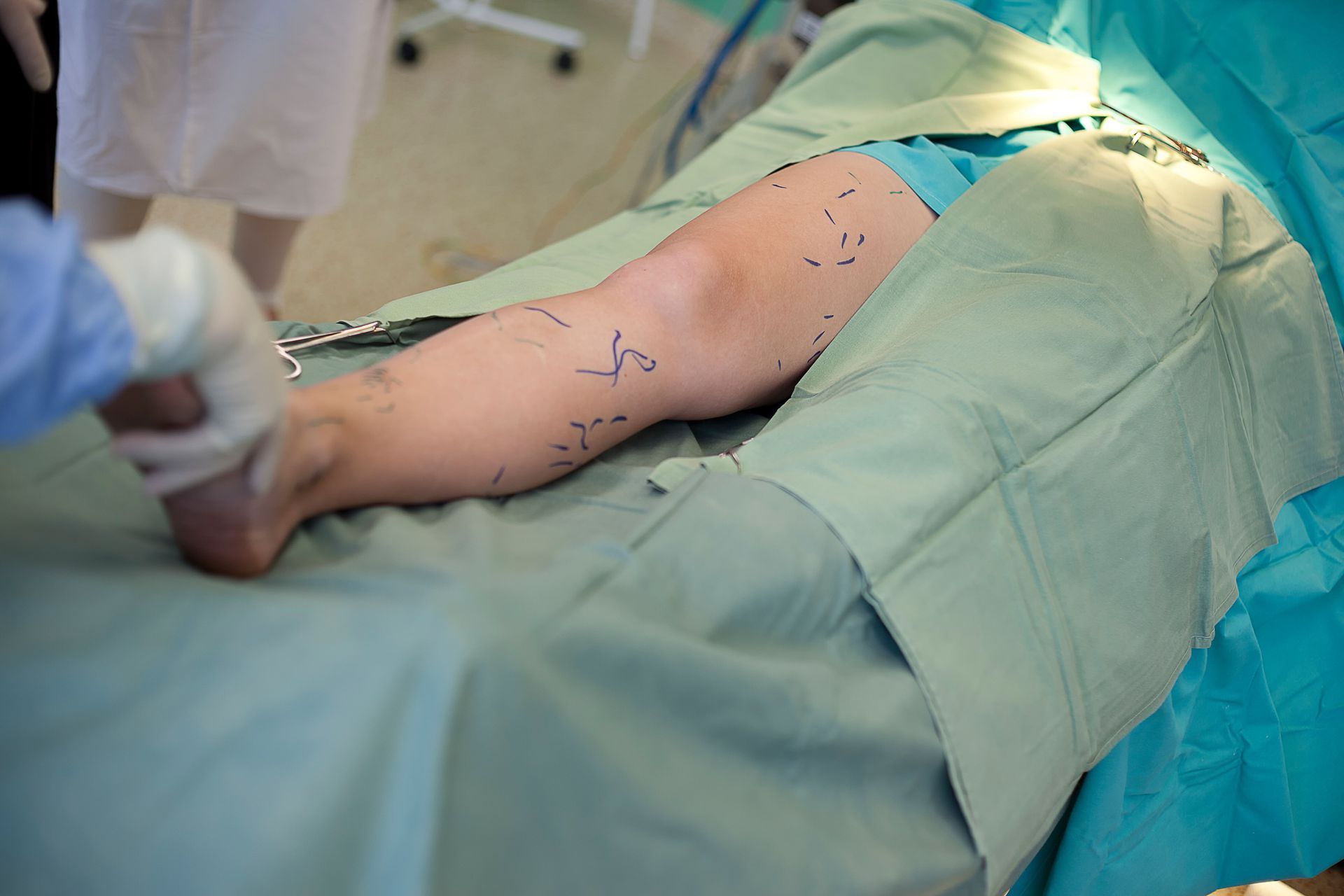
Modern varicose vein treatment has moved well beyond the surgical vein stripping procedures that defined the field in previous decades, and today's minimally invasive options allow most patients to receive effective treatment in an outpatient setting with minimal recovery time and significantly reduced discomfort compared to open surgical approaches. Procedures such as endovenous thermal ablation use heat energy delivered through a thin catheter to close the diseased vein from the inside, which causes the vein to be absorbed by the body over time while blood flow naturally reroutes through healthier venous pathways in the surrounding tissue. Transparent cash pricing for procedures gives patients the financial clarity they need before scheduling any intervention, which removes the uncertainty about cost that often causes patients to delay or avoid seeking care they know they need and would clearly benefit from receiving.
Preparing for the Day of the Procedure
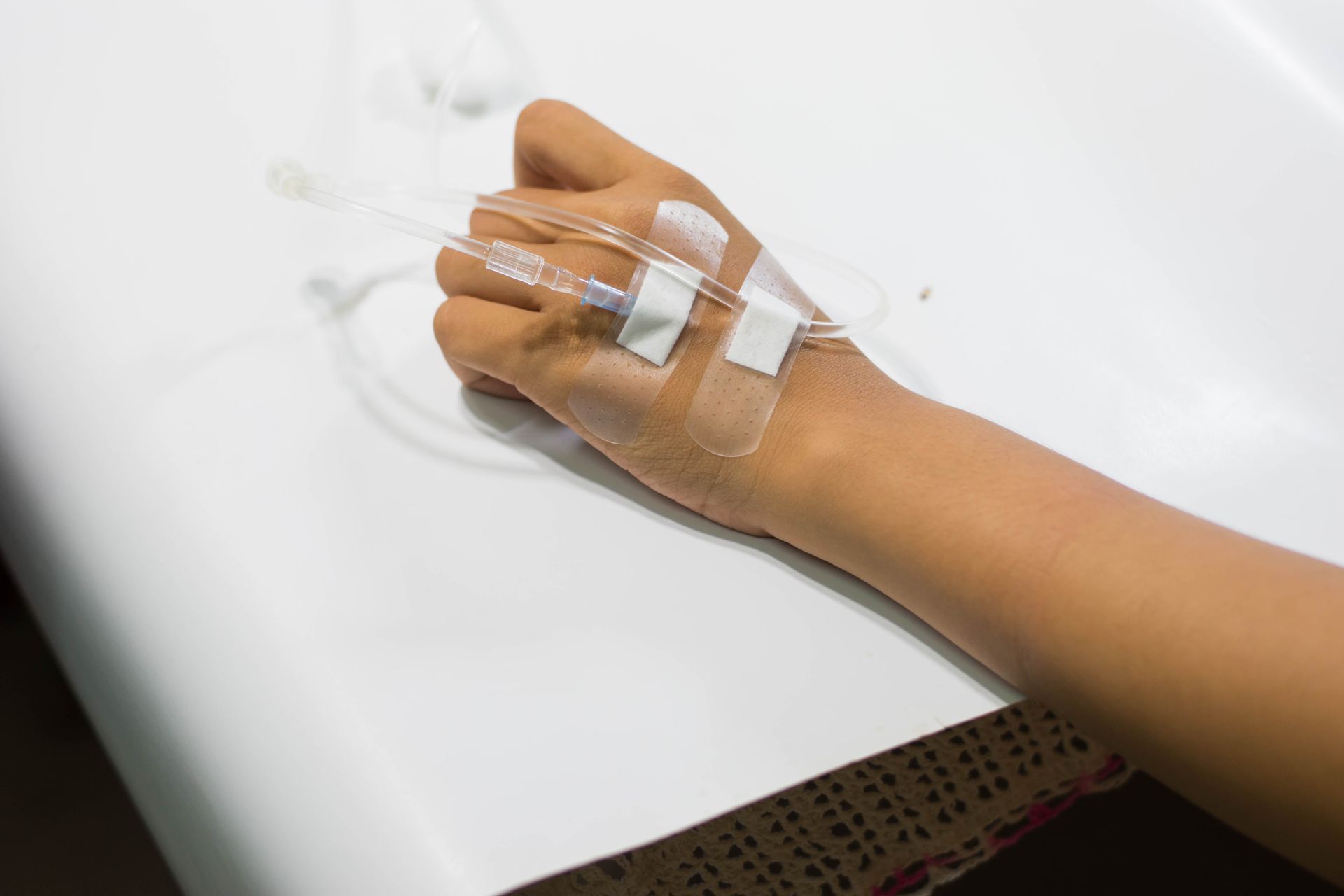
Once the treatment plan has been determined based on the ultrasound findings and the clinical evaluation, patients are typically given specific instructions about how to prepare for the day of the procedure, including guidance about medications, clothing, and the arrangements that should be made for transportation afterward. Varicose vein treatment in a minimally invasive format is performed under local anesthesia in most cases, which means patients remain awake and comfortable throughout the procedure without requiring general anesthesia or an overnight hospital stay. Patients who understand this in advance arrive on the day of their treatment with accurate expectations about what the experience will feel like, how long it will take, and what the immediate post-procedure period involves before they return to their normal daily activities.
Knowing What to Expect During the Recovery Period
Recovery from minimally invasive treatment is typically brief compared to older surgical approaches, with most patients able to return to light activity within a day or two of the procedure and to resume more vigorous physical activity within a few weeks as the treated area heals. Follow-up appointments allow the surgical team to confirm that the treated vein has closed properly, evaluate whether any additional treatment is needed for remaining veins, and address any questions or concerns the patient has developed during the early weeks of recovery. Patients who attend their follow-up appointments consistently achieve better long-term outcomes than those who skip post-procedure evaluations, because the follow-up visits are where the success of the treatment is confirmed and where any additional steps needed to complete the full care plan are identified and scheduled.
Understanding How Venous Disease Management Supports Long-Term Health
For some patients, varicose veins are a component of a broader venous disease pattern that includes chronic venous insufficiency, deep vein thrombosis risk, or other venous disorders that require ongoing management rather than a single treatment episode to fully address. Varicose vein treatment in this context is the most visible intervention in a broader care plan that a vascular specialist develops to manage the patient's venous health over the long term, which may include compression therapy, activity recommendations, and periodic monitoring of the venous system through follow-up ultrasound evaluations. Patients who understand their condition within this broader venous health framework are better equipped to adhere to the management strategies that protect their long-term vascular health and reduce the likelihood of recurrent or progressive venous disease in the years following their initial treatment.
Understanding what goes into evaluating and treating varicose veins before the first appointment gives patients the knowledge to engage more actively in their own care, ask better questions, and make more confident decisions at each step of the process from the initial consultation through the completion of treatment. From the diagnostic ultrasound and the minimally invasive procedure itself to the recovery period and long-term venous disease management, every phase of the care experience benefits from the preparation that this foundational knowledge provides. Atlanta Vascular Specialists has proudly served patients throughout Fayetteville, Newnan, Griffin, and South Atlanta from three office locations since their founding over 40 years ago, offering varicose vein treatment, vascular ultrasound, vascular treatment of venous and arterial disease, hemodialysis access, carotid artery disease treatment, peripheral arterial disease care, and abdominal aortic aneurysm management, all delivered by a team of board-certified vascular surgeons including a Newsweek America's Best Vascular Surgeons 2024 honoree, with free vein consultations, transparent cash pricing, telemedicine options, and advanced technology for superior patient care. For more information, contact us today!


Subscribe to our newsletter
Stay up-to-date on news from Atlanta Vascular Specialists