
What to Expect During Vascular Surgeries
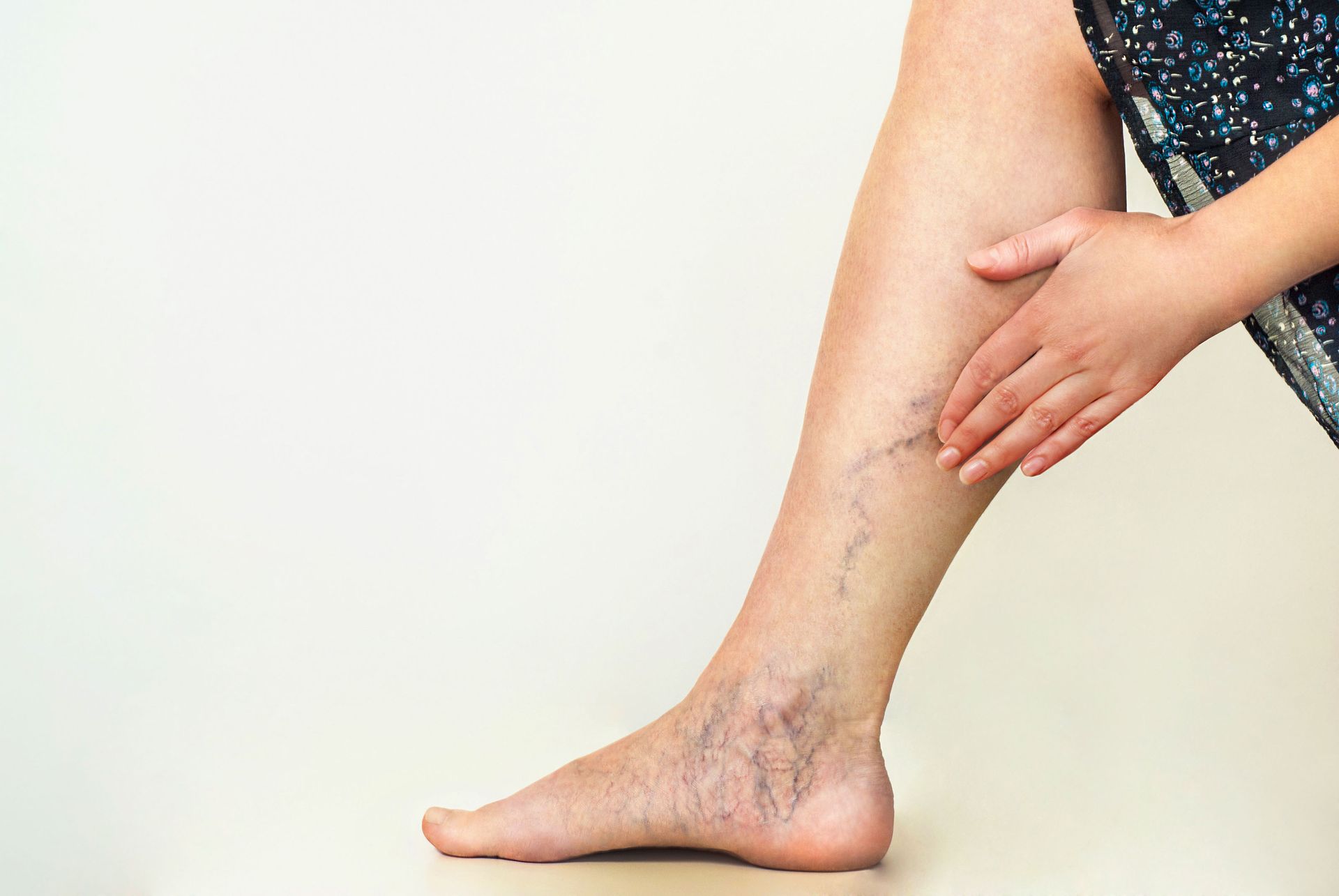
It's completely natural to feel a bit anxious when your physician recommends a procedure to treat a circulatory issue. The network of blood vessels keeping you healthy is vast and intricate, and ensuring it functions correctly is vital to your overall well-being. According to Vascular, while nearly 40 million people across the United States live with some form of vascular disease, a surprising number of them are completely unfamiliar with widespread conditions such as abdominal aortic aneurysm, carotid artery disease (CAD), and peripheral artery disease (PAD).
Because these conditions are so widespread yet frequently misunderstood, learning about the treatments available can help ease your mind. Understanding what happens before, during, and after vascular surgeries can transform an intimidating medical milestone into a manageable, empowering step toward a healthier, more active life. By taking the time to educate yourself on the process, you'll feel much more confident as you walk through the clinic doors.
Preparing For Your Upcoming Procedure
Preparing for your upcoming procedure begins long before you arrive at the medical facility. In the weeks leading up to your appointment, your surgical team will provide detailed instructions tailored to your specific health history and the exact type of treatment you need. You'll likely undergo routine pre-operative testing, which might include blood work, an electrocardiogram, or specialized imaging like a vascular ultrasound to map your blood flow precisely.
Your care team will review your current medications, advising you on which ones to continue and which ones to temporarily pause, especially blood thinners. It's also the ideal time to arrange for a reliable friend or family member to drive you home and assist you during the initial stages of your recovery. Following these preoperative guidelines closely ensures that your body is in the best possible condition for a successful outcome, which is always the primary goal for anyone undergoing vascular surgeries.
Arriving At The Surgical Facility
Arriving at the surgical facility brings you to the next phase of your treatment journey. On the day of your scheduled appointment, the clinical staff will welcome you warmly and guide you through the final preparatory steps in the preoperative holding area. Nurses will check your vital signs, confirm your medical history, and insert an intravenous line to deliver fluids and necessary medications smoothly. Our dedicated team will remain by your side to offer continuous support, reassurance, and guidance.
You'll also meet with the anesthesiologist or nurse anesthetist to discuss how you'll remain comfortable throughout the process, whether through general anesthesia, regional blocks, or conscious sedation. This period is carefully designed to prioritize your comfort and safety, giving you a final opportunity to ask any lingering questions before moving into the operating suite. The administrative and clinical teams work together seamlessly to ensure that the environment remains calm, organized, and focused entirely on your individual needs.
Navigating Your Operating Room Experience
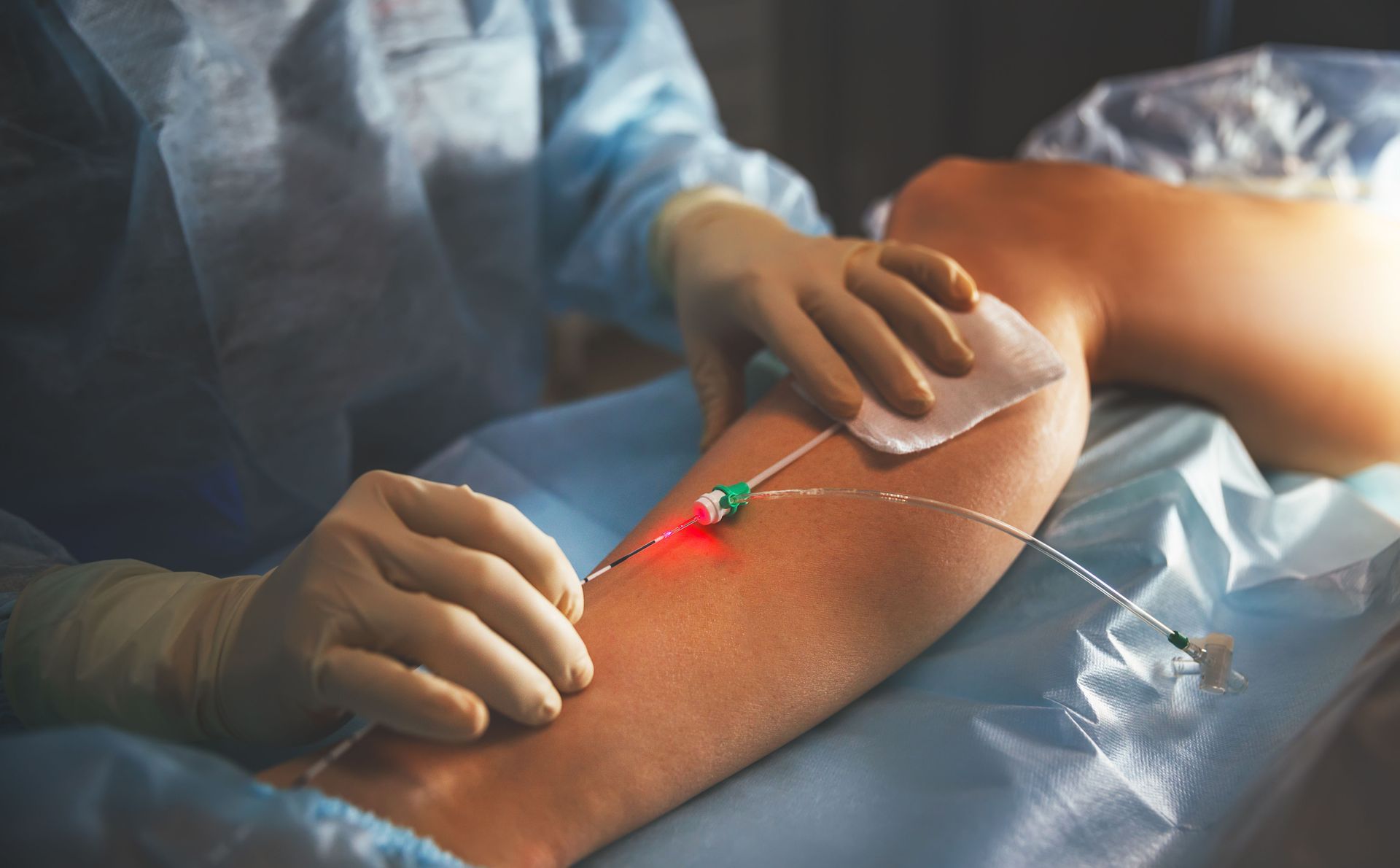
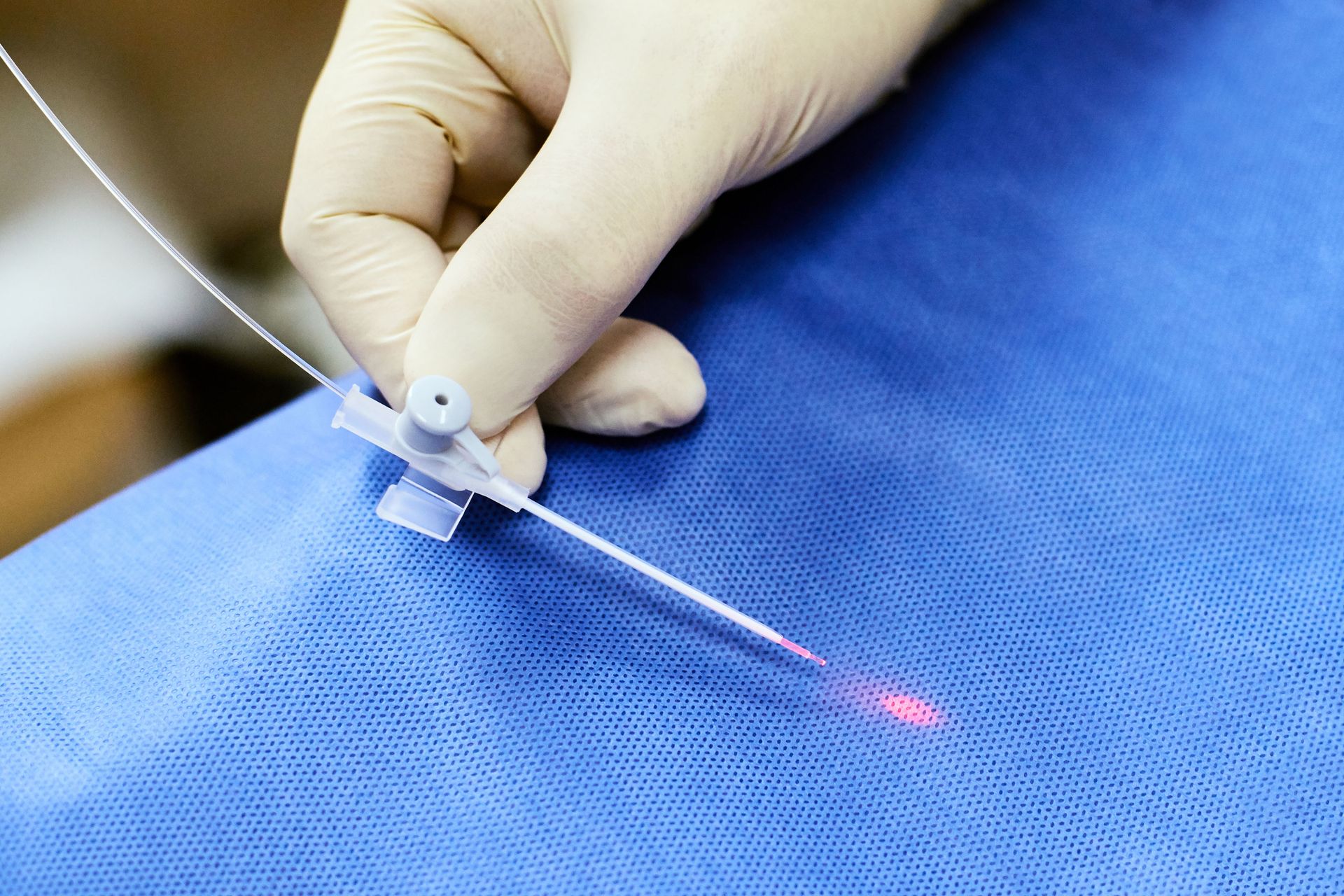
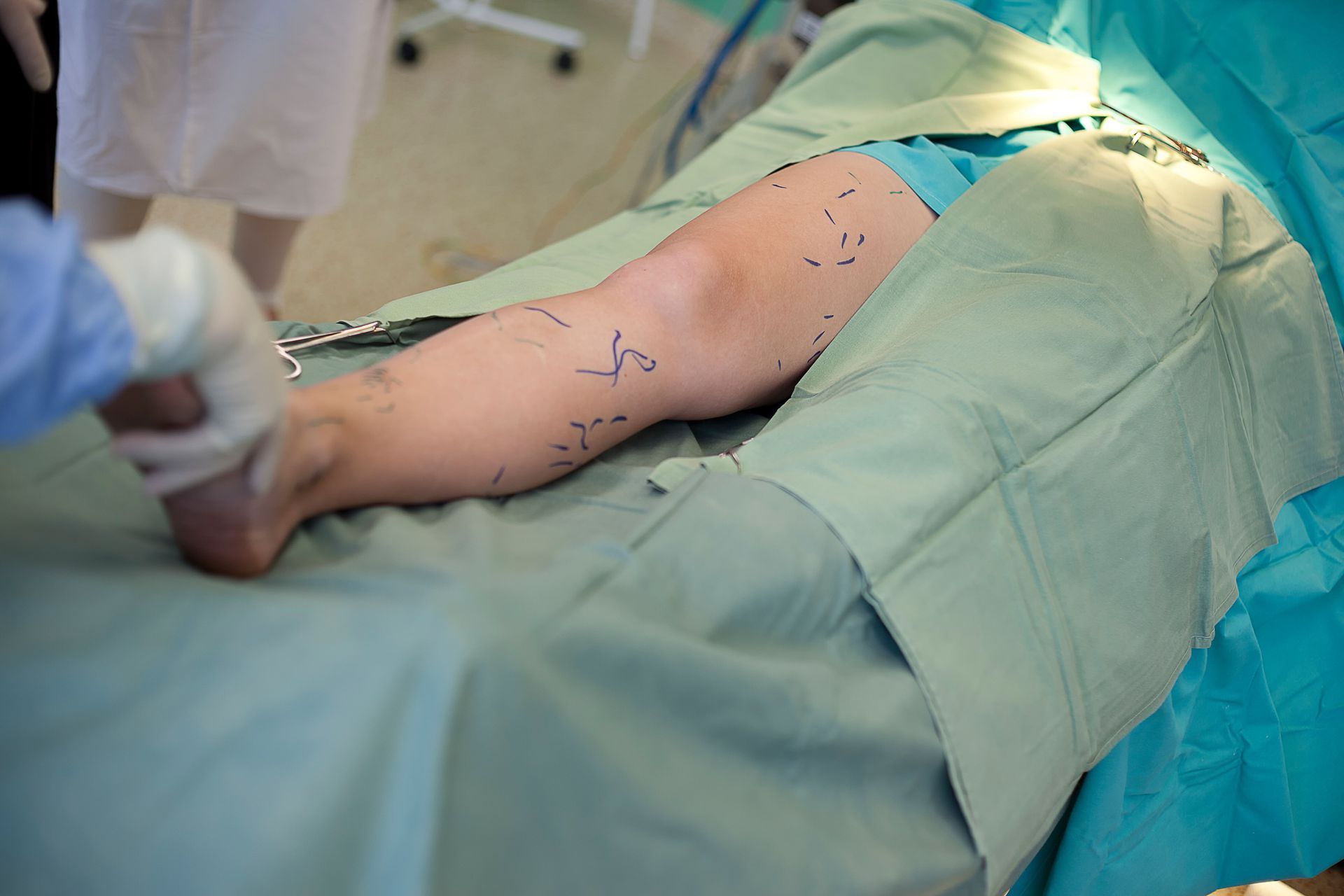
Navigating your operating room experience is where the highly specialized work of your medical team takes center stage. Once you're safely positioned on the surgical table and the anesthesia has taken effect, your board-certified surgeon will begin the precise work required to restore your circulatory health. Depending on your specific diagnosis, the technique used might range from a minimally invasive endovascular procedure using tiny catheters to a traditional open operation. Every step is orchestrated with maximum care to keep you safe and completely comfortable.
Throughout the entire process, advanced monitoring equipment tracks your heart rate, blood pressure, and oxygen levels to guarantee your safety. The specialized nature of vascular surgeries requires an exceptional level of expertise, and your team works with meticulous care to repair, bypass, or open the affected blood vessels. You can rest assured knowing that every protocol is strictly followed to protect your health while the treatment is being performed.
Monitoring Your Immediate Recovery Phase
Monitoring your immediate recovery phase begins the moment your procedure is successfully completed. You'll be gently transferred to the post-anesthesia care unit, where dedicated recovery nurses will monitor you closely as the anesthesia wears off. They'll frequently check your vital signs, assess the surgical incisions or catheter insertion sites, and evaluate the circulation in your extremities to ensure blood is flowing beautifully.
Managing any post-operative discomfort is a top priority during this time, and the staff will administer appropriate pain relief medication to keep you resting comfortably. Depending on the complexity of your care, you might be cleared to return home the very same day, or you may transition to a hospital room for a brief, supportive stay. This watchful environment ensures that any early signs of complications are addressed immediately, making vascular surgeries safer and more predictable than ever before.
Managing Your Healing Process At Home
Managing your healing process at home is a gradual experience that relies heavily on following your personalized discharge instructions. When you're cleared to leave the facility, you'll receive clear guidelines regarding wound care, activity modifications, and medication management. It's common to experience some mild bruising, swelling, or soreness around the treatment areas, but these symptoms typically resolve with time and proper rest. Prioritizing quiet recovery during these first few days will give your veins time to adapt.
Walking short distances is frequently encouraged to promote healthy circulation and prevent blood clots, but you should avoid heavy lifting and strenuous exercise until your physician gives you the green light. Embracing this recovery period with patience allows your body the time it needs to heal properly from vascular surgeries. Taking care of yourself at home is just as vital as the procedure itself, ensuring the long-term success of your treatment.
Attending Your Scheduled Follow-Up Appointments
Attending your scheduled follow-up appointments is the final essential component of your treatment plan. These subsequent visits allow your surgeon to evaluate your healing progress, examine your incisions, and ensure that your blood flow remains optimal. Your doctor may utilize non-invasive ultrasound imaging during these appointments to visually confirm the success of the repair. It's also an excellent opportunity to discuss long-term lifestyle habits, such as a heart-healthy diet or regular exercise, that will support your ongoing circulatory health.
Staying connected with your healthcare team ensures that your recovery stays on the right track and that any questions you have during your transition back to normal life are fully answered. Longitudinal care is a standard part of modern vascular surgeries, helping to preserve the positive results of your procedure for many years to come.
Embracing your path to long-term wellness is a powerful choice that significantly enhances your quality of life. While the idea of undergoing specialized medical procedures can feel overwhelming at first, knowing what to expect at each stage helps replace uncertainty with confidence. Modern medicine offers highly effective, advanced solutions to manage blood vessel conditions safely and restore your vitality.
By partnering with an experienced medical team and actively participating in your pre-operative preparation and post-operative recovery, you can look forward to a smoother experience and a much healthier future. Recognizing the value of specialized vascular surgeries allows you to protect your mobility, reduce your risk of serious cardiovascular events, and return to the activities you love most. If you're ready to address your vein or arterial concerns with expert, compassionate care, contact Atlanta Vascular Specialists today to schedule your consultation.



Subscribe to our newsletter
Stay up-to-date on news from Atlanta Vascular Specialists