4 Signs You Should See a Varicose Vein Specialist
The discomfort and unsightliness of varicose veins can be more than just a cosmetic concern. Identifying the signs that warrant a specialist's attention can save you from potential complications. Let's explore the key indicators that suggest it's time to seek medical advice for your varicose veins. Understanding these signs can help you distinguish between normal discomfort and issues that require the help of a varicose vein specialist.
1. Persistent Pain or Discomfort
Identifying Chronic Pain
Persistent pain is one of the most common symptoms associated with varicose veins. Although not every instance of leg pain is related to this condition, persistent discomfort that doesn't subside with over-the-counter medications might be a sign of varicose veins. Varicose vein pain is unique because it may manifest as a dull ache or significant heaviness, especially after prolonged periods of standing or sitting. Additionally, chronic pain can substantially impact one's daily activities, thereby diminishing quality of life. Recognizing and acknowledging this persistent pain is crucial in prompting timely medical intervention with a varicose vein specialist.
Varicose Veins vs. Normal Leg Pain
It is crucial to distinguish between varicose vein-related pain and typical leg discomfort. Ordinary leg pain, often resulting from muscle fatigue or minor injuries, tends to dissipate with rest and self-care. However, varicose vein pain is characteristically tied to vein inflammation, pressure buildup, or compromised venous valves. This type of pain may not improve with conventional rest and can progressively intensify, leading to more severe symptoms if left untreated. Hence, understanding these differences is essential for those experiencing consistent leg pain to determine whether medical attention is needed.
How Pain Intensity Varies With Activity
Varicose vein pain displays a unique tendency tied to specific activities. Individuals often notice escalating pain levels after prolonged standing periods, a common situation that increases vein pressure. Conversely, pain may lessen during periods of rest or when the legs are elevated. Understanding this fluctuation in pain intensity according to activity can help identify patterns specific to varicose vein issues. This behavior pattern aids not only in diagnosis but also in delineating effective self-care routines, such as incorporating brief walking sessions or leg elevation throughout the day.
2. Swelling in the Lower Legs
Understanding Varicose-Related Edema
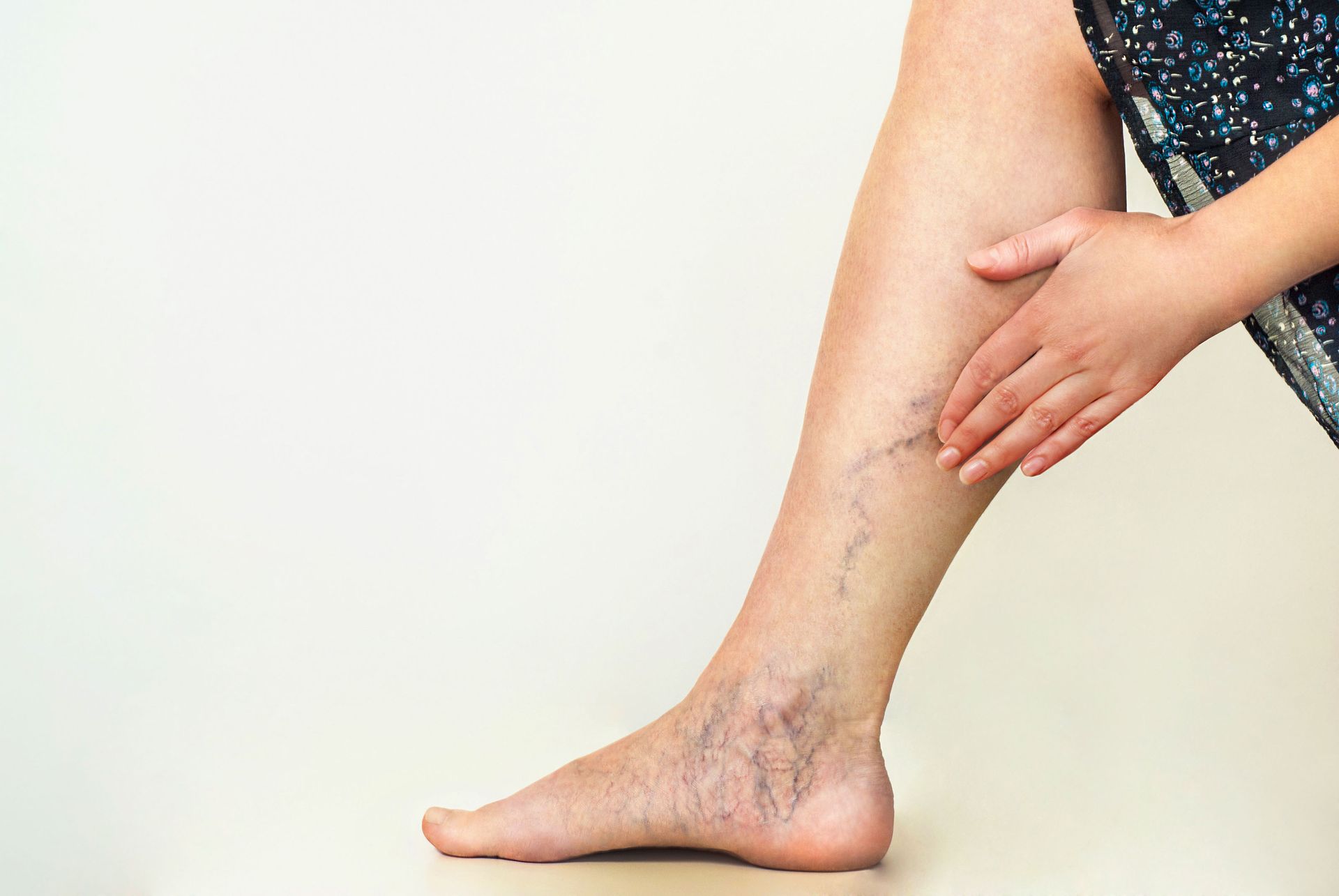
Swelling, or edema, in the lower legs is a common symptom associated with varicose veins. This swelling occurs due to increased pressure within the veins, causing fluid to accumulate in the surrounding tissues. Identifying swelling as a venous issue instead of a result of dietary or lifestyle choices is crucial in determining the need for medical attention. Chronic or worsening swelling shouldn't be ignored as it could indicate a progression of the condition needing specialized care. Timely interventions by a varicose vein specialist can prevent further complications and aid in managing symptoms effectively.
Comparing Swelling in One Leg vs. Both
Swelling associated with varicose veins may present itself differently, affecting one leg more prominently than the other. This distinction can be a valuable clue in diagnosing whether swelling is a venous problem. Bilateral leg swelling may suggest systemic issues, while unilateral symptoms often indicate venous insufficiency. Observing and noting these differences can help in seeking specific medical consultation aimed toward varicose veins. A healthcare professional can provide a thorough examination to identify vein-related swelling and recommend appropriate remedies or interventions.
Correlation With Prolonged Standing
Prolonged standing is a well-known contributor to exacerbated swelling in individuals with varicose veins. Standing for extended periods increases the pressure in the leg veins, restricting blood flow, which can result in significant swelling. This correlation highlights the importance of monitoring activity levels and incorporating breaks with leg elevation into daily routines. Awareness of this correlation enables better self-management of symptoms and emphasizes the need for changes in lifestyle choices that limit prolonged standing. Employing preventive strategies can mitigate the impact of swelling and the associated discomfort.
3. Skin Changes Around Varicose Veins
Recognizing Skin Discoloration
Skin discoloration around varicose veins is a critical sign not to be ignored. Such changes often appear as areas of hyperpigmentation, predominantly in the lower legs, resulting from prolonged venous insufficiency. This occurs when blood pools in the dilated veins, leading to pressure that prompts iron deposits and inflammation in the skin. Discoloration may progress to more severe skin conditions if left untreated. Observing these changes early enables individuals to consult a varicose vein specialist effectively, preventing long-term skin damage and improving overall skin health.
Appearance of Dryness and Itching
Dryness and itching around areas affected by varicose veins aren't just a superficial concern but potentially indicative of chronic venous insufficiency. The stagnant blood flow in these veins can lead to inflammatory responses, which manifest as dry skin or eczema-like symptoms. Persistent itching, referred to as stasis dermatitis, can increase the risk of further irritation or injury from scratching. Managing these symptoms with appropriate dermatological products or through medical treatment is crucial to preventing secondary skin infections or further complications. Early recognition and response to these symptoms can improve skin condition substantially.
Ulceration as a Warning Sign
Ulcerations developing around varicose veins serve as a significant warning sign of advanced venous disease. These open sores typically form when ongoing venous pressure and skin inflammation reach a critical point. Ulcerations aren't only painful and difficult to heal but also increase susceptibility to infections and sepsis. Immediate medical intervention is necessary when ulcers are suspected, as treating varicose veins early can help stave off these challenging complications. According to the National Library of Medicine, around 24% of adults in the United States have visible varicose veins, and around 6% have advanced chronic venous disease, including ulcerations. Addressing underlying venous issues can mitigate the risk and aid in healing existing skin ulcers.
4. Leg Heaviness and Fatigue
Identifying Heaviness Associated With Varicose Veins
Leg heaviness is a predominant symptom for those suffering from varicose veins. This sensation, often described as wearing "lead boots," arises from blood pooling and pressure build-up within the veins. Contrary to typical fatigue experienced after a day's activities, heaviness from varicose veins persists and potentially worsens. Its occurrence during daily life may disrupt functioning and a sense of wellbeing. Recognizing its source as vein-related warrants a consultation with a varicose vein specialist to explore effective treatment methods better suited to reducing this symptom.
Impact of Daily Activities on Leg Fatigue
Daily activities can exacerbate leg fatigue in those with varicose veins, placing an extra burden on the compromised venous system. Activities requiring prolonged standing or intense physical exertion contribute significantly to increased fatigue. The diminished ability to perform everyday tasks without pain or tiredness negatively impacts both physical and mental health. Understanding how lifestyle choices influence fatigue levels encourages individuals to adapt activities and introduce strategies for alleviating symptoms. Integrating rest periods and suitable exercises can help reduce fatigue's impact and promote improved venous circulation.
Assessing Chronic vs. Situational Fatigue
Distinguishing between chronic fatigue and situational tiredness is essential for addressing the root causes of leg heaviness. Chronic fatigue tied to varicose veins presents continually, irrespective of recent exertion levels, highlighting ongoing venous congestion concerns. Situational fatigue, on the other hand, typically resolves through rest and is often the result of temporary overexertion. Understanding these differences allows individuals to monitor fatigue patterns and seek necessary medical evaluation where appropriate. Healthcare consultations can offer tailored recommendations aligned with the individual's specific condition.
Recognizing the signs of varicose veins is essential for protecting both your comfort and long-term leg health. While it's easy to dismiss these symptoms as minor nuisances or purely cosmetic concerns, they often point to underlying venous insufficiency that can worsen over time if left unaddressed. Consulting a varicose vein specialist at Atlanta Vascular Specialists at the first sign of chronic discomfort or skin changes ensures accurate diagnosis, personalized care, and effective treatment options to prevent serious complications and restore your quality of life. Reach out to us today to get started!




Subscribe to our newsletter
Stay up-to-date on news from Atlanta Vascular Specialists