How Smoking Can Affect Circulation and Increase the Risk of Artery Disease
Smoking affects far more than the lungs. The chemicals found in tobacco smoke can damage blood vessels, interfere with circulation, and increase the likelihood of developing serious cardiovascular conditions. Over time, these effects can make it harder for blood to travel throughout the body, limiting the oxygen and nutrients that tissues need to function properly.
Peripheral artery disease is one condition associated with impaired circulation. It develops when arteries that carry blood to the limbs become narrowed or blocked, often because of plaque buildup. Smoking is an important risk factor, making awareness and prevention essential for maintaining vascular health. Understanding these connections can help individuals recognize potential warning signs and know when to seek professional medical attention.
The Effects of Smoking on Blood Vessels
Tobacco smoke contains chemicals that can damage the lining of blood vessels. This delicate lining helps regulate blood flow and supports normal vascular function. When it becomes damaged, inflammation can develop, making arteries more susceptible to changes that interfere with circulation. Repeated exposure can contribute to long-term vascular problems.
Smoking also affects how blood vessels respond to the body's needs. Nicotine can cause blood vessels to constrict, temporarily reducing the amount of blood that can pass through them. This response places additional strain on the cardiovascular system and can make circulation less efficient, particularly in individuals who already have underlying vascular concerns.
Another concern involves the relationship between smoking and plaque accumulation. Damage to artery walls can encourage the development of atherosclerosis, a condition in which fatty deposits gradually build up inside arteries. As these deposits increase, the available space for blood to flow becomes smaller.
The Connection Between Smoking and Peripheral Artery Disease
Peripheral artery disease occurs when arteries supplying blood to the legs and other extremities become narrowed, commonly because of atherosclerosis. Reduced circulation can prevent muscles and surrounding tissues from receiving adequate oxygen during physical activity. As the condition progresses, symptoms may become more noticeable and interfere with everyday activities.
Smoking is a significant risk factor for this condition because it contributes to blood vessel damage, inflammation, and changes in circulation. According to Vascular, people who smoke one-half pack of cigarettes per day face a 30% to 50% greater risk of developing peripheral artery disease (PAD).
The effects of smoking can also complicate existing artery disease. Continued tobacco use may contribute to worsening circulation and increase the likelihood of additional vascular problems. Individuals who already have narrowed arteries may experience greater difficulty maintaining adequate blood flow, particularly during activities that require increased oxygen delivery to the muscles.
Understanding this relationship can help people recognize the importance of addressing smoking as part of a broader approach to cardiovascular health. Although quitting cannot automatically reverse existing artery damage, eliminating tobacco exposure can reduce an important source of ongoing vascular stress.
The Warning Signs of Poor Circulation
Changes in circulation do not always produce obvious symptoms immediately. Some individuals may experience subtle discomfort or differences in how their legs feel during physical activity. Paying attention to these changes can help identify potential vascular concerns before they become more disruptive.
One common symptom of peripheral artery disease is claudication, which describes muscle discomfort that develops during activities such as walking and improves with rest. The discomfort may feel like cramping, aching, heaviness, or fatigue, particularly in the calves. It occurs because narrowed arteries cannot deliver enough oxygen-rich blood to meet the muscles' increased demands.
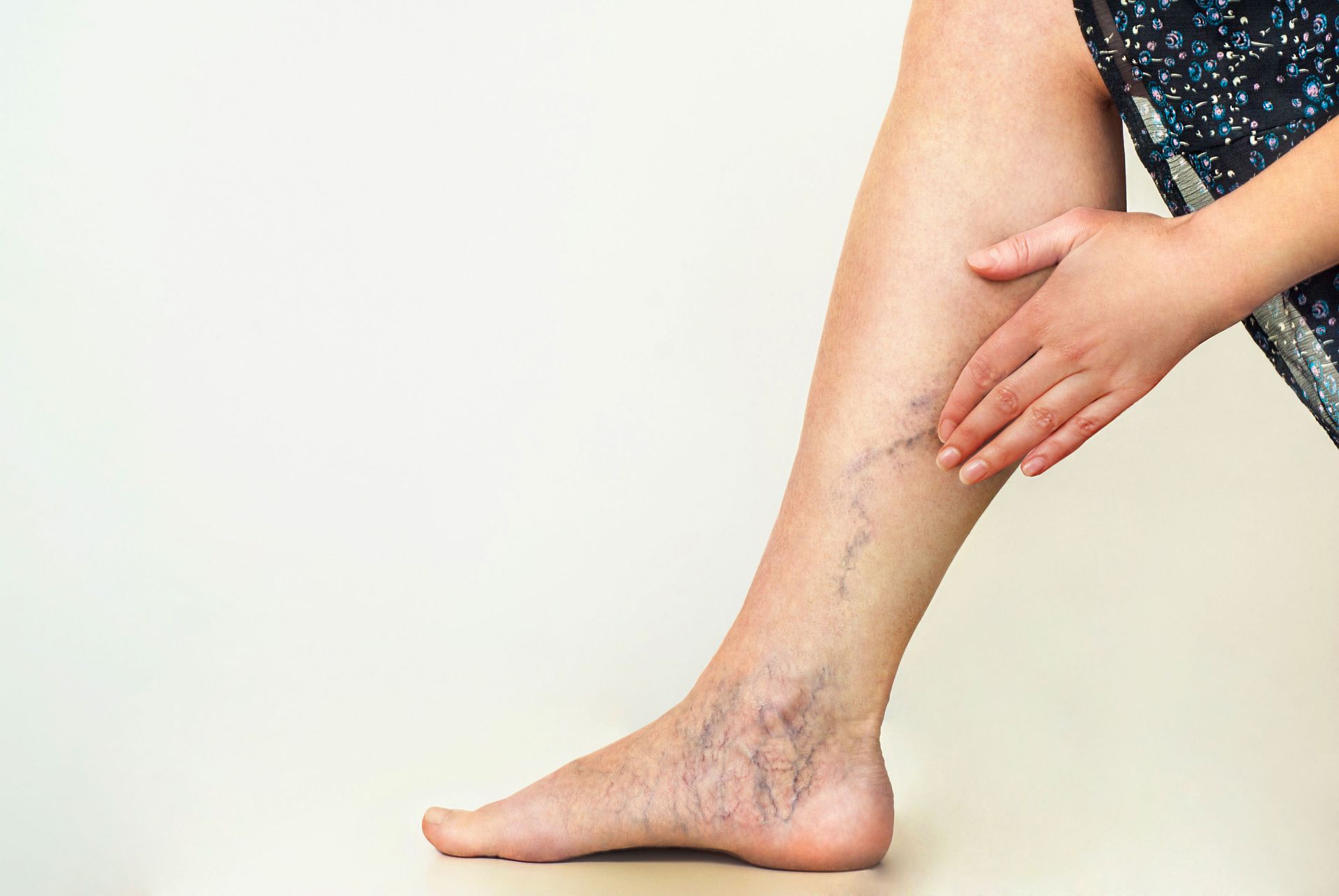
Other warning signs may include coldness in the feet or lower legs, changes in skin color, reduced hair growth on the legs, and wounds that heal slowly. Some individuals may also notice differences in the appearance or strength of pulses in their feet. These symptoms can indicate that circulation is not functioning as effectively as it should.
More advanced disease can cause discomfort even while resting, particularly in the feet or toes. Persistent pain, nonhealing sores, or signs of tissue damage require prompt medical evaluation. Individuals experiencing sudden changes in limb temperature, color, sensation, or movement should seek emergency medical attention because these symptoms may indicate an acute circulation problem.
The Long-Term Consequences of Artery Disease
Restricted blood flow can affect much more than physical comfort. When tissues consistently receive insufficient oxygen and nutrients, they may become vulnerable to damage. In the lower extremities, inadequate circulation can interfere with wound healing and increase the risk of infections and tissue loss.
Peripheral artery disease is also associated with broader cardiovascular concerns. The atherosclerosis responsible for narrowing arteries in the legs can affect other parts of the circulatory system.
Smoking can make these concerns more serious by contributing to the processes that damage blood vessels. Continued exposure to tobacco chemicals can encourage inflammation, impair normal vascular function, and make existing circulation problems harder to manage. Addressing smoking is therefore an important consideration for individuals concerned about their overall cardiovascular health.
Recognizing the potential consequences of untreated artery disease highlights the importance of timely medical care. Early evaluation allows healthcare professionals to assess circulation, identify contributing factors, and recommend an appropriate management strategy.
The Benefits of Quitting Smoking for Vascular Health
Quitting smoking is an important step toward protecting the circulatory system. Removing tobacco exposure helps reduce the ongoing effects of nicotine and other harmful chemicals on blood vessels. Although existing damage may not be completely reversible, stopping smoking can support better long-term cardiovascular health.
Improved vascular health is not the only potential benefit. Quitting can also help reduce inflammation and support healthier blood vessel function. For individuals with peripheral artery disease, avoiding tobacco is an important part of reducing cardiovascular risk and supporting the effectiveness of recommended treatment.
People who want to quit may benefit from discussing available resources with a healthcare professional. Counseling, structured cessation programs, and appropriate medications can help address nicotine dependence.
Lifestyle changes can complement smoking cessation. Regular physical activity, balanced nutrition, blood pressure management, and appropriate cholesterol care can all contribute to cardiovascular wellness. For individuals with diagnosed artery disease, healthcare professionals can recommend activities and lifestyle adjustments that account for their specific medical needs.
The Role of Professional Vascular Evaluation
Professional evaluation is important when symptoms suggest that blood circulation may be compromised. A vascular specialist can review medical history, assess risk factors, and determine whether additional testing is needed. This evaluation helps distinguish vascular conditions from other problems that may cause similar symptoms.
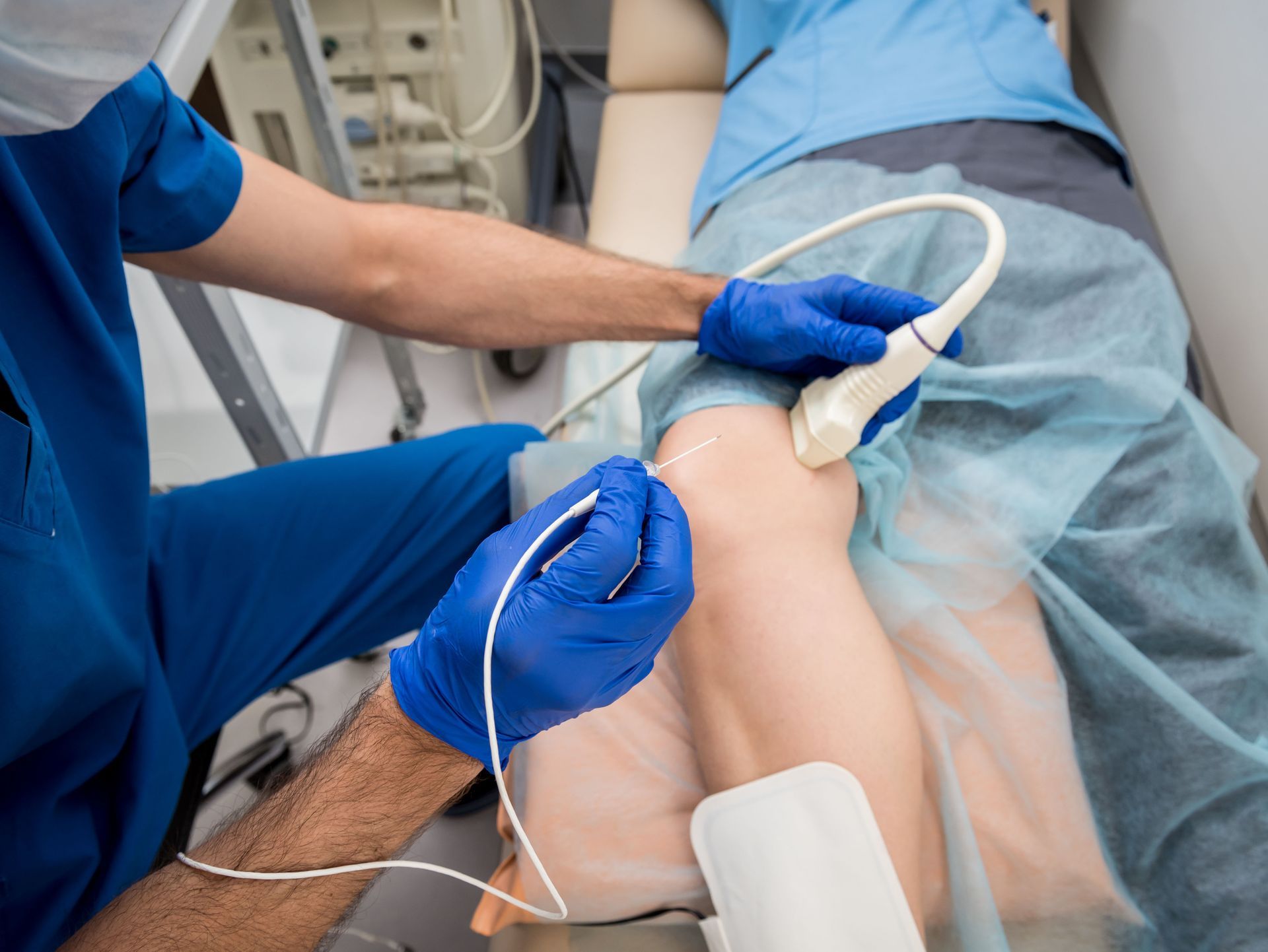
Diagnostic procedures may include a physical examination, pulse assessment, and tests that compare blood pressure measurements in the arms and legs. Ultrasound imaging can also help evaluate blood flow through arteries and identify areas where circulation may be restricted.
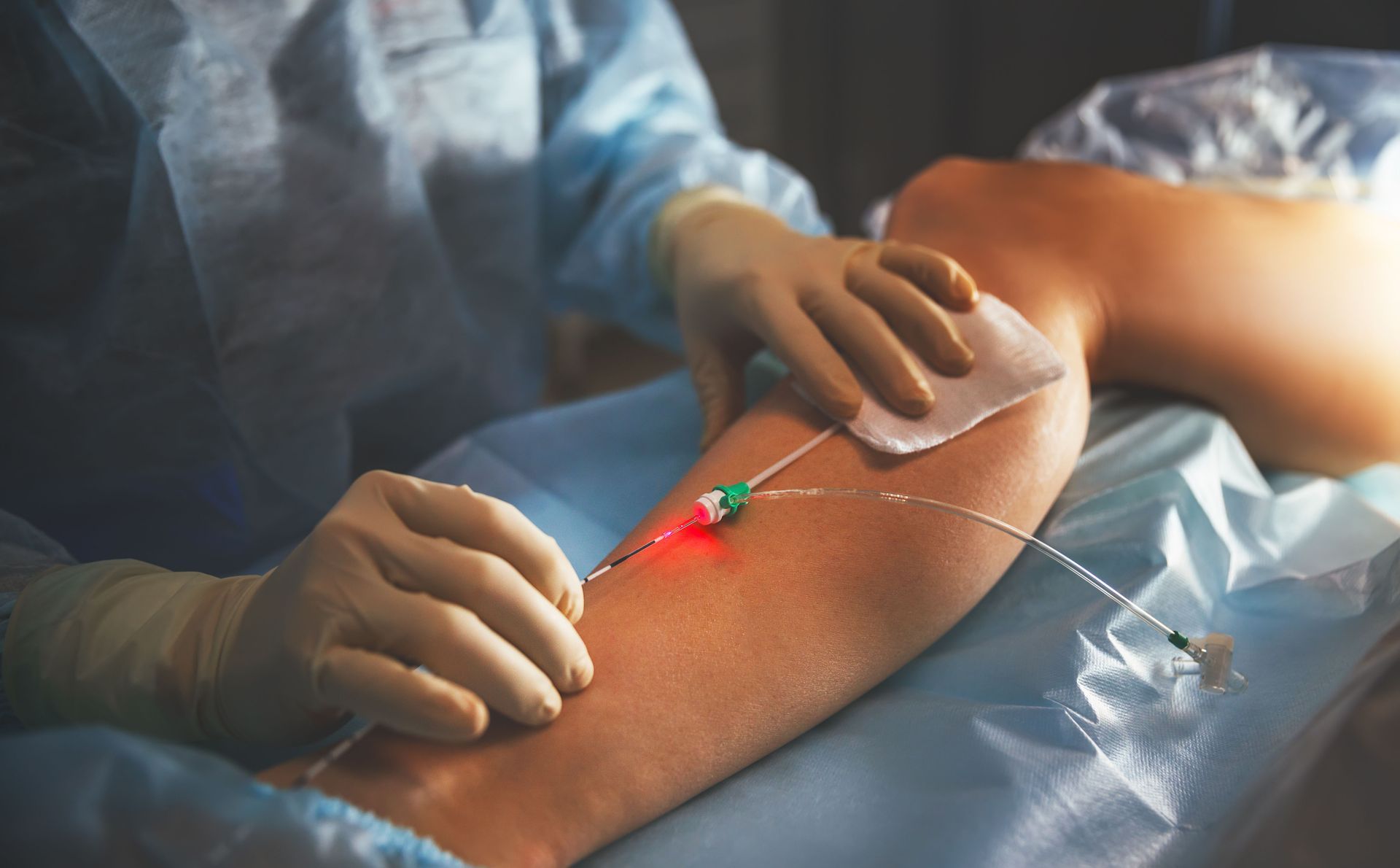
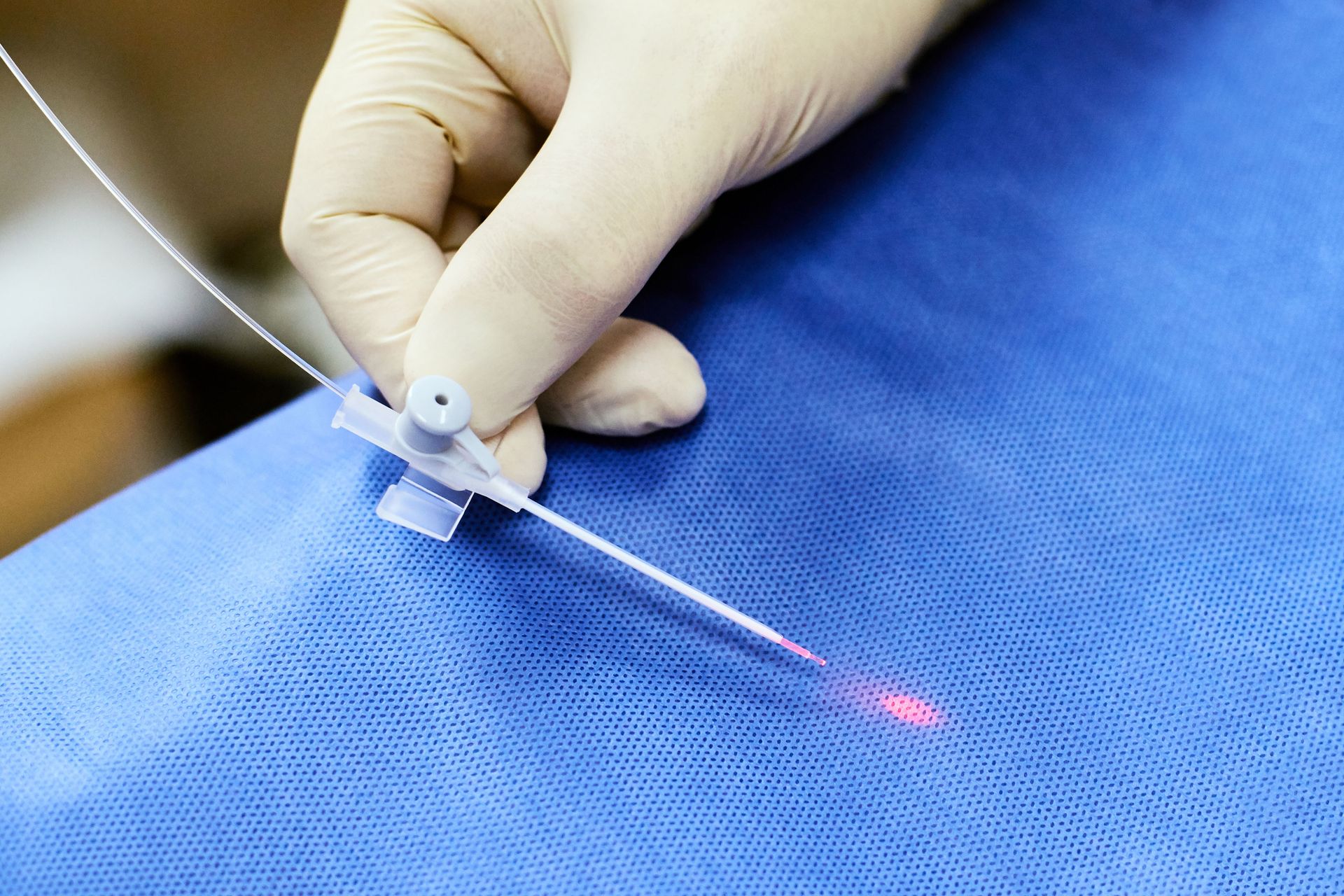
Treatment recommendations depend on the individual's condition, symptoms, and overall health. Some patients may benefit from lifestyle modifications and medications that address contributing risk factors. Others may require procedures designed to improve blood flow through narrowed or blocked arteries.
Ongoing monitoring is also important because vascular health can change over time. Follow-up appointments allow healthcare professionals to evaluate symptoms, review treatment progress, and identify concerns that may require additional attention. Patients who smoke or have other cardiovascular risk factors should discuss an appropriate screening and care plan with their medical provider.
Recognizing warning signs, avoiding tobacco, and addressing cardiovascular risk factors can all support healthier blood vessels. Do not wait for circulation problems to interfere with everyday life. Contact Atlanta Vascular Specialists to schedule a professional evaluation and take a proactive step toward protecting long-term vascular health.





Subscribe to our newsletter
Stay up-to-date on news from Atlanta Vascular Specialists