Why You Shouldn't Ignore Your Varicose Veins
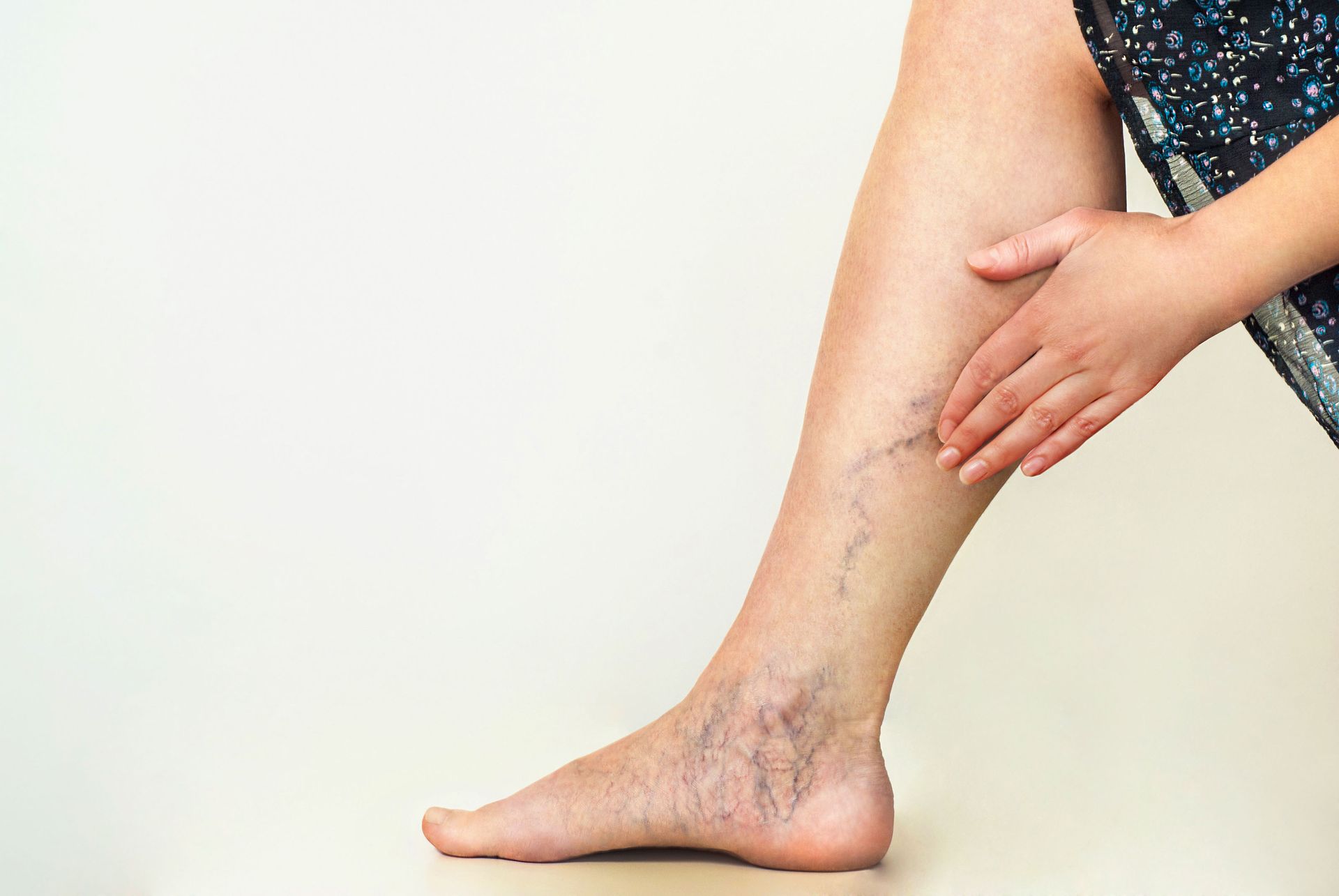
Varicose veins are a common condition characterized by enlarged, twisted veins that often appear blue or dark purple. They typically occur in the legs and can be seen bulging beneath the skin, creating an unsightly appearance that many people wish to conceal. More than a cosmetic issue, varicose veins can lead to discomfort, pain, and sometimes serious health problems if not addressed promptly. Despite their prevalence, many individuals disregard varicose veins as a minor inconvenience rather than recognizing their potential implications. This article aims to shed light on the importance of understanding, diagnosing, and treating varicose veins, emphasizing how early intervention can prevent complications and improve quality of life.
Understanding Varicose Veins
Definition and Causes
Varicose veins are defined as dilated, twisted veins visible beneath the skin surface, primarily resulting when the valves within veins weaken or fail. These veins are most commonly found in the legs due to the increased pressure exerted by standing and walking upright, which challenges the veins' ability to return blood to the heart. Over time, changes in elasticity and valve strength can result in blood pooling, leading to vein enlargement. Additional causes of varicose veins can include genetic predisposition, hormonal changes, obesity, and extended periods of standing or sitting. Understanding these causes highlights the importance of a proactive approach to managing factors that can lead to vein deterioration.
Symptoms and Diagnosis
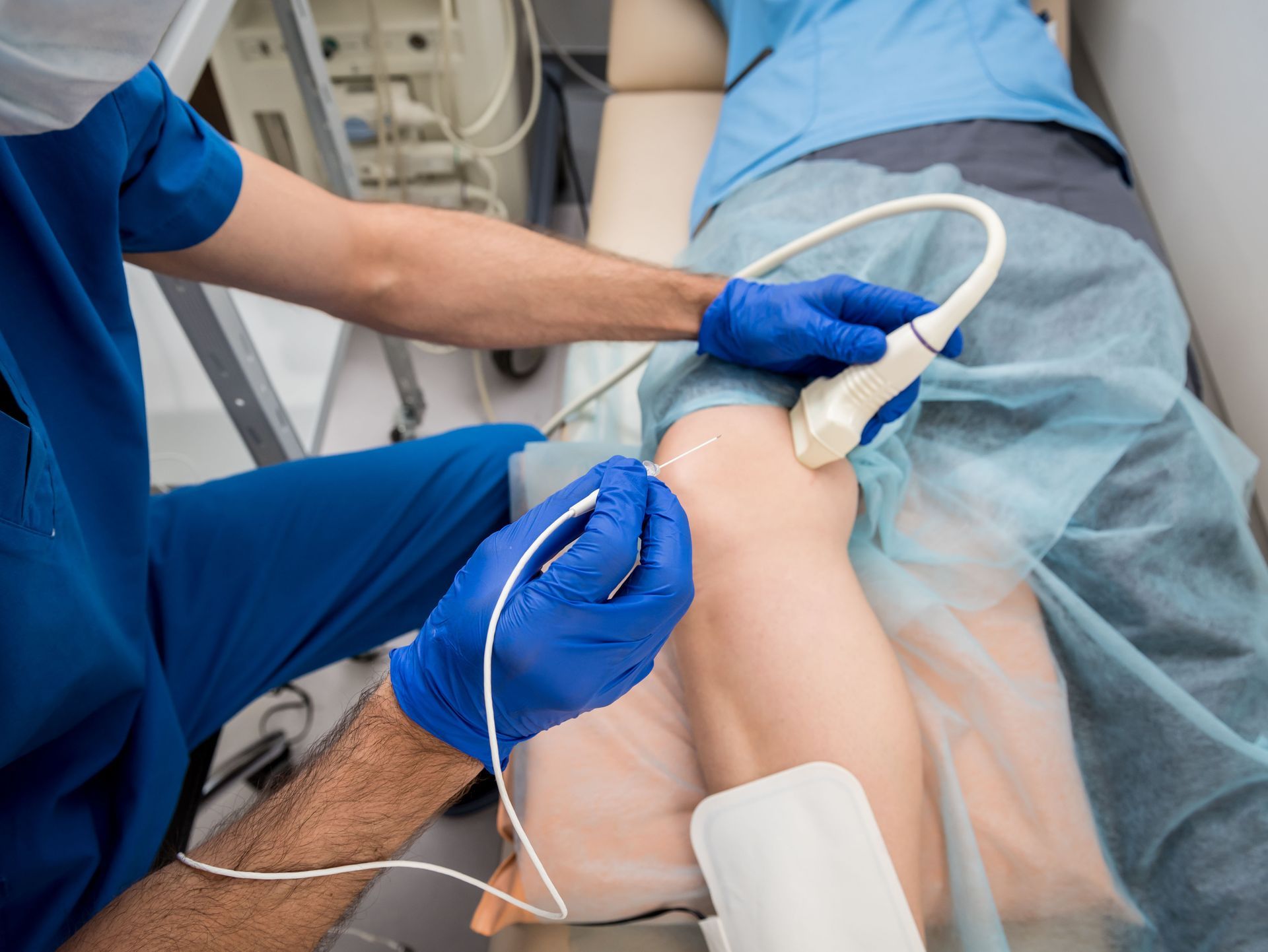
Recognizing the symptoms of varicose veins is crucial for timely diagnosis and intervention. Common symptoms include aching pain, heaviness in the legs, swelling, throbbing, and even skin changes like dryness or itching. In some cases, individuals might notice a burning sensation or cramping in the legs, particularly after long periods of standing. Diagnosis typically involves a physical examination by a healthcare professional, who may use ultrasound technology to assess blood flow and determine the severity of the condition. With approximately one in four U.S. adults experiencing varicose veins, having routine checks and being aware of symptoms can significantly aid in early detection and management.
Risk Factors
Several risk factors contribute to the likelihood of developing varicose veins. Age plays a significant role, as the wear and tear on veins over time can lead to problems. Gender is another factor, with women being more prone to develop varicose veins due to hormonal influences, particularly during pregnancy or menopause. Occupations requiring prolonged standing or sitting can exacerbate the condition, as they put additional pressure on the veins and hinder proper blood circulation. Additionally, obesity can contribute to increased vein pressure and hinder blood flow, further elevating the risk for varicose veins. Managing these risk factors involves adopting lifestyle changes and proactive health measures to alleviate stress on the vascular system.
Complications of Ignoring Varicose Veins
Ignoring varicose veins can lead to complications, including chronic venous insufficiency, where veins cannot adequately return blood to the heart. This leads to progressively worsening symptoms, including skin changes, ulcers, and even the risk of thrombophlebitis, which is an inflammatory condition involving blood clots. Varicose veins may also contribute to the development of deep vein thrombosis (DVT), a serious condition characterized by blood clots in deep veins that can be life-threatening. Untreated varicose veins can also result in bleeding from burst veins, which may require surgical intervention. Therefore, addressing varicose veins early can prevent the progression to more severe health issues.
Long-term Implications
Failing to manage varicose veins can significantly impact an individual's long-term health and well-being. Persistent symptoms like pain and swelling can hinder daily activities, reducing mobility and affecting overall quality of life. Over time, the associated discomfort may impact mental health, leading to conditions such as anxiety or depression due to chronic pain or cosmetic concerns. As varicose veins progress, they can also necessitate more complex and costly medical treatments to address debilitating conditions or prevent complications. Ensuring early diagnosis and treatment supports vein health, minimizing long-term implications on physical health and financial burden.
The Importance of Early Detection
Benefits of Early Diagnosis
Early diagnosis of varicose veins allows for timely intervention, which can significantly prevent the progression and complications of the condition. By detecting varicose veins early, treatment can alleviate symptoms, improve cosmetic appearance, and enhance overall vascular health. Individuals with early-stage varicose veins can benefit from less invasive treatment options, reducing the need for surgical interventions. Furthermore, addressing varicose veins early can enhance mobility and daily comfort, thus improving the quality of life. The earlier a condition is detected and managed, the greater the potential to prevent the development of severe health issues tied to chronic venous insufficiency.
Technology in Diagnostic Procedures
Technological advancements have played a significant role in the early detection and management of varicose veins. Imaging technologies such as duplex ultrasound are non-invasive tools that visualize blood flow and vein structure, providing accurate diagnosis. These technologies enable healthcare providers to evaluate the severity of vein damage and identify optimal treatment strategies. Advancements in wearable technology, like smart compression garments, can also facilitate consistent monitoring and management of pressure on the veins. As technology continues to progress, these innovations contribute to more effective, tailored care and improved outcomes for patients with varicose veins.
Preventive Measures
Adopting preventive measures can significantly reduce the risk of developing or worsening varicose veins. Regular physical activity, such as walking or swimming, promotes healthy circulation and strengthens leg muscles that support veins. Avoiding prolonged periods of standing or sitting can also decrease pressure on the veins, reducing the risk of pooling blood. Elevating the legs periodically throughout the day supports venous return and lessens discomfort associated with varicose veins. Wearing compression stockings as recommended by healthcare providers can provide supportive pressure that aids in circulation. Together, these preventive strategies help maintain vascular health and prevent the exacerbation of varicose veins.
Health Monitoring Practices
Regular health monitoring is crucial for individuals at risk of or currently experiencing varicose veins. Routine check-ups with healthcare professionals can ensure timely detection and intervention should varicose vein symptoms emerge. Consistent self-monitoring of symptoms, such as changes in appearance or deterioration of condition, can also aid in early diagnosis and management. Utilizing wearable devices that track daily activity levels or heart rate might offer additional insights into overall health and vascular function. These practices empower individuals to take control of their vascular health, leading to improved outcomes and prevention of vein-related complications.
Patient Success Stories
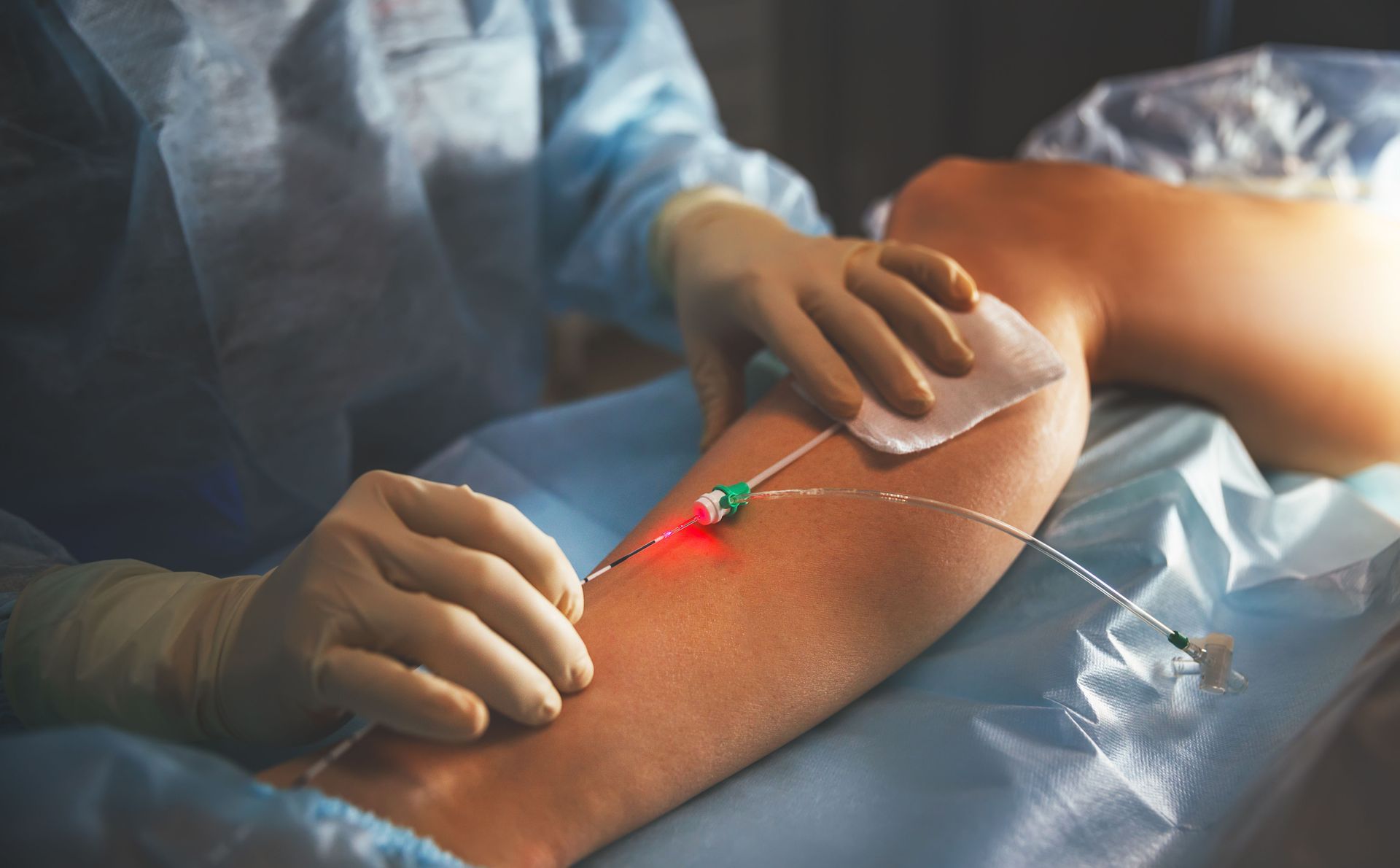
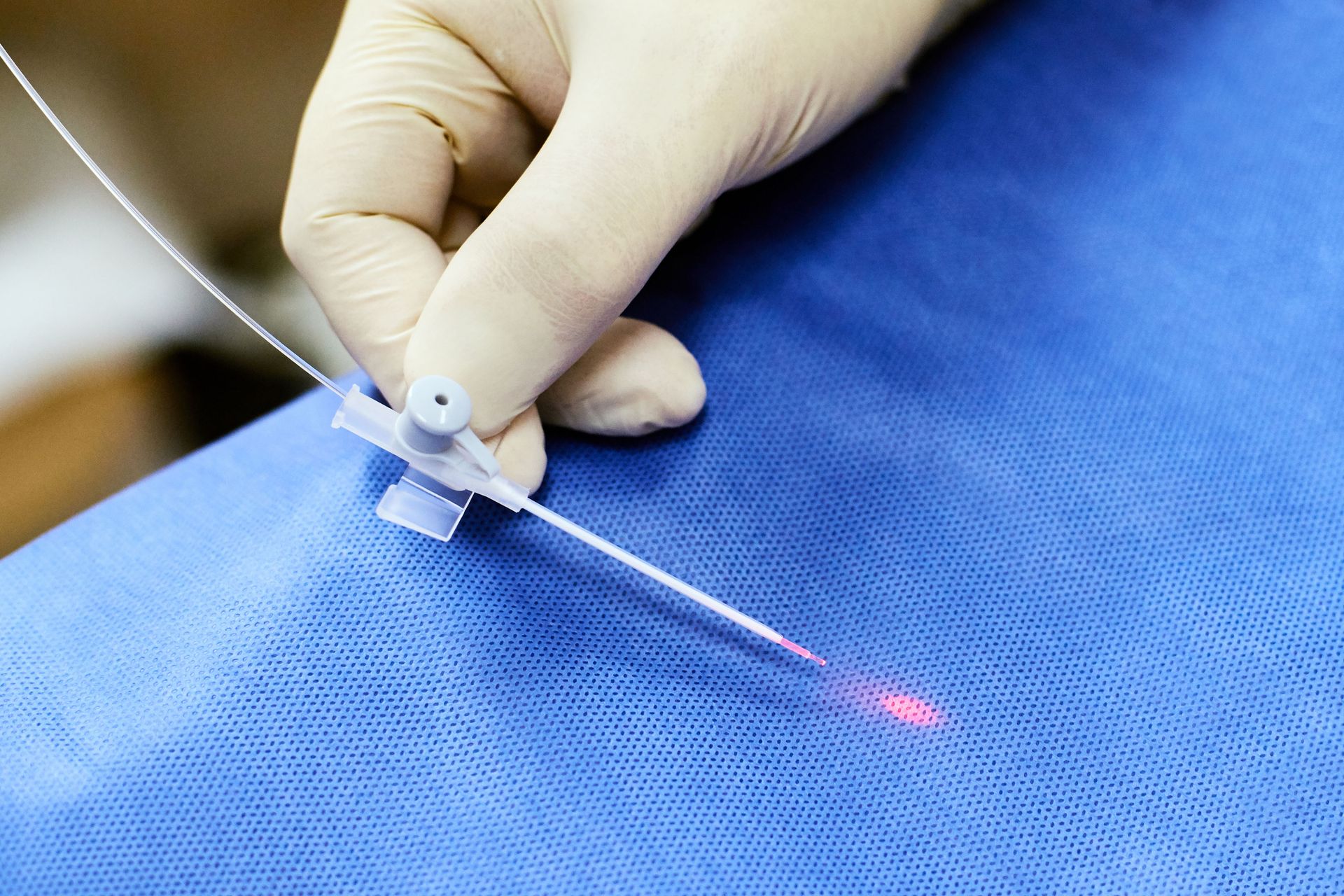
Real-world examples highlight the positive impact of early detection and treatment for varicose veins. One patient reported noticeable improvement in pain and discomfort within weeks of diagnosis and treatment with lifestyle modifications and compression therapy. Another individual benefited from advanced laser therapy, which significantly reduced visible vein appearance and enhanced their confidence. These success stories show how early intervention prevents progression to more invasive surgical treatments and offers profound improvements in quality of life. By prioritizing the early management of varicose veins, patients avoid long-term health challenges and enjoy an active lifestyle restoration.
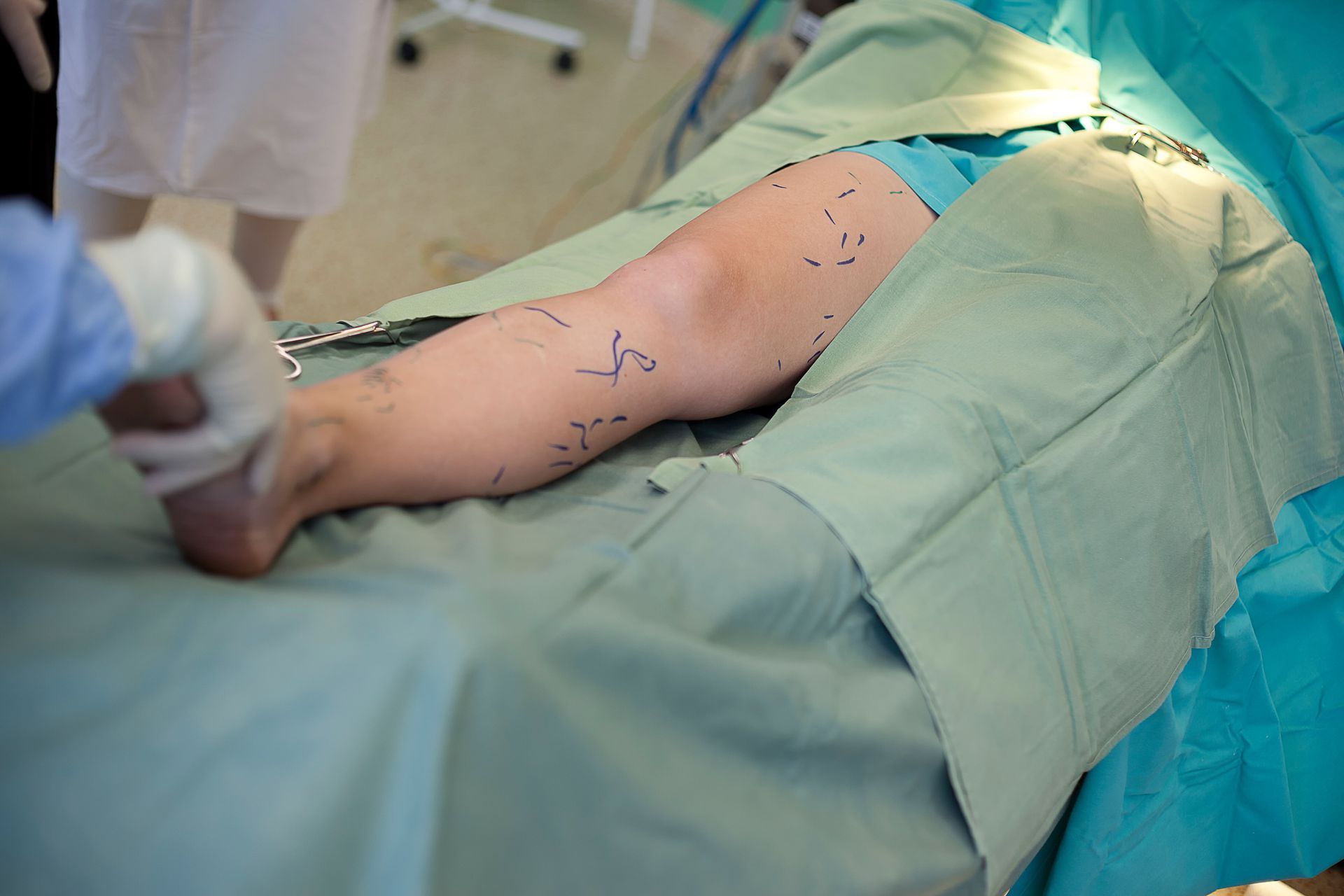
Conventional treatment options form the first line of defense against varicose veins, focusing on symptom relief and preventing progression. Compression stockings provide graduated pressure that supports veins and improves circulation, reducing symptoms like swelling or aching. Therapy is another standard treatment that involves injecting a solution into the vein to collapse and reroute blood flow to healthier veins, effectively diminishing problematic veins over time. Elevating legs, maintaining healthy weight, and regular exercise further complement conventional treatments, controlling symptoms while promoting vascular health. These non-invasive methods empower individuals to manage varicose veins while maintaining mobility and daily function. According to UCHealth, about one in four U.S. adults have varicose veins. Be sure to reach out to Atlanta Vascular Specialists today to learn more about our professional
varicose vein doctors!




Subscribe to our newsletter
Stay up-to-date on news from Atlanta Vascular Specialists