Common Vascular Conditions in Women and When Surgery Is Recommended
Vascular conditions can affect a woman's comfort, mobility, and long-term health, sometimes without obvious warning signs. Aching legs, persistent swelling, or changes in walking ability may seem like ordinary consequences of a busy day or getting older. When those changes reflect a circulation problem, however, understanding the cause matters more than simply tolerating the discomfort.
A diagnosis does not automatically mean an operation is necessary. Medication, monitoring, and other clinician-directed treatments may be appropriate, while certain problems call for a procedure to protect circulation or prevent serious complications. Knowing how common conditions differ helps women understand when vascular surgery may become part of their care.
Varicose Veins and Chronic Venous Insufficiency
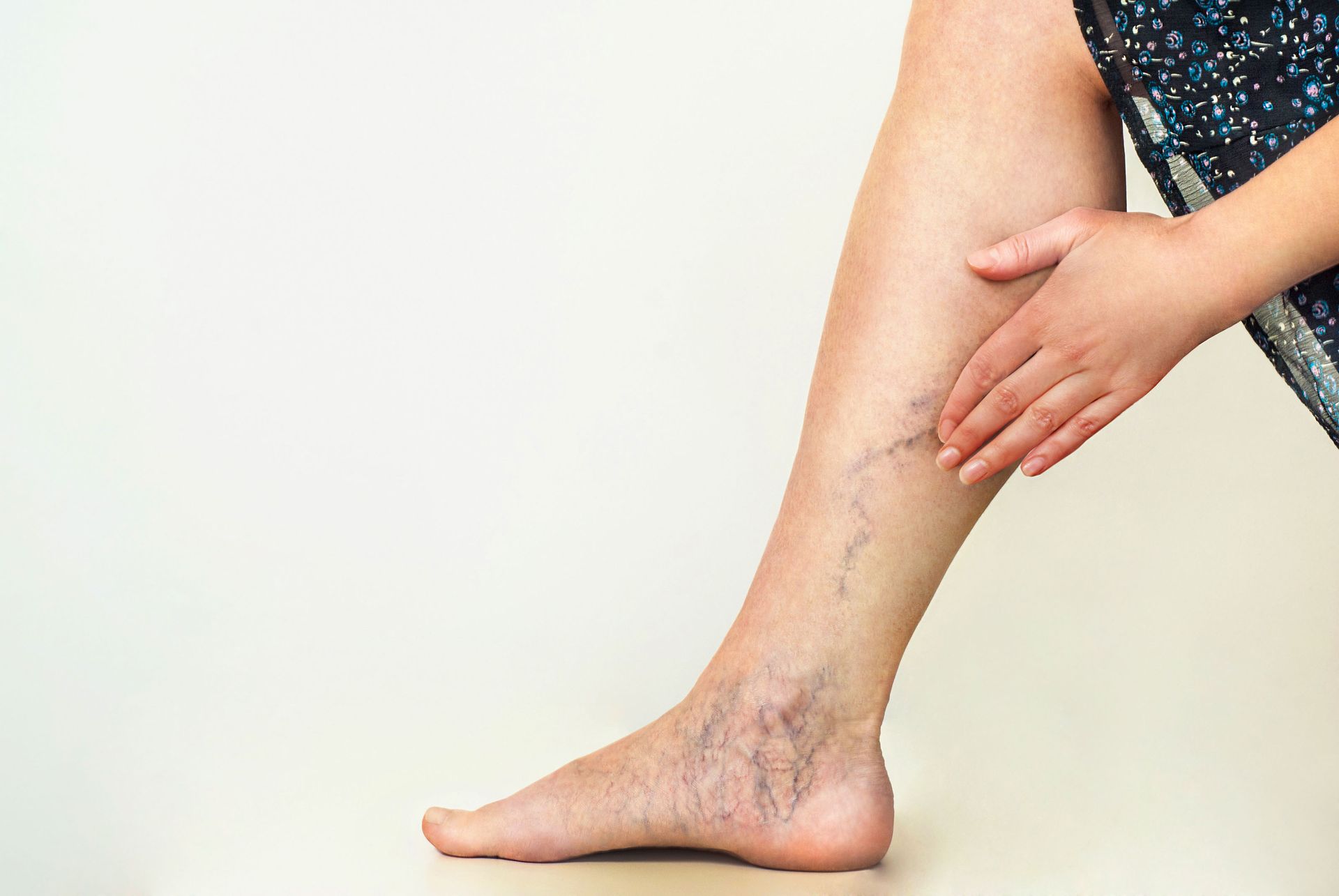
Leg veins rely on one-way valves to help blood return toward the heart. When those valves stop working properly, blood can flow backward and collect in the legs, increasing pressure inside the veins. Varicose veins are enlarged, twisted vessels that may develop as a result, while chronic venous insufficiency describes a broader problem with blood returning through the veins.
Pregnancy, family history, and prolonged standing can contribute to these conditions. Women may notice aching, heaviness, or ankle swelling, particularly after spending hours on their feet. Persistent discoloration near the ankles, irritated skin, or an open sore deserves medical attention because vein problems can affect more than appearance. Symptoms and visible veins do not always reveal the full extent of the problem.
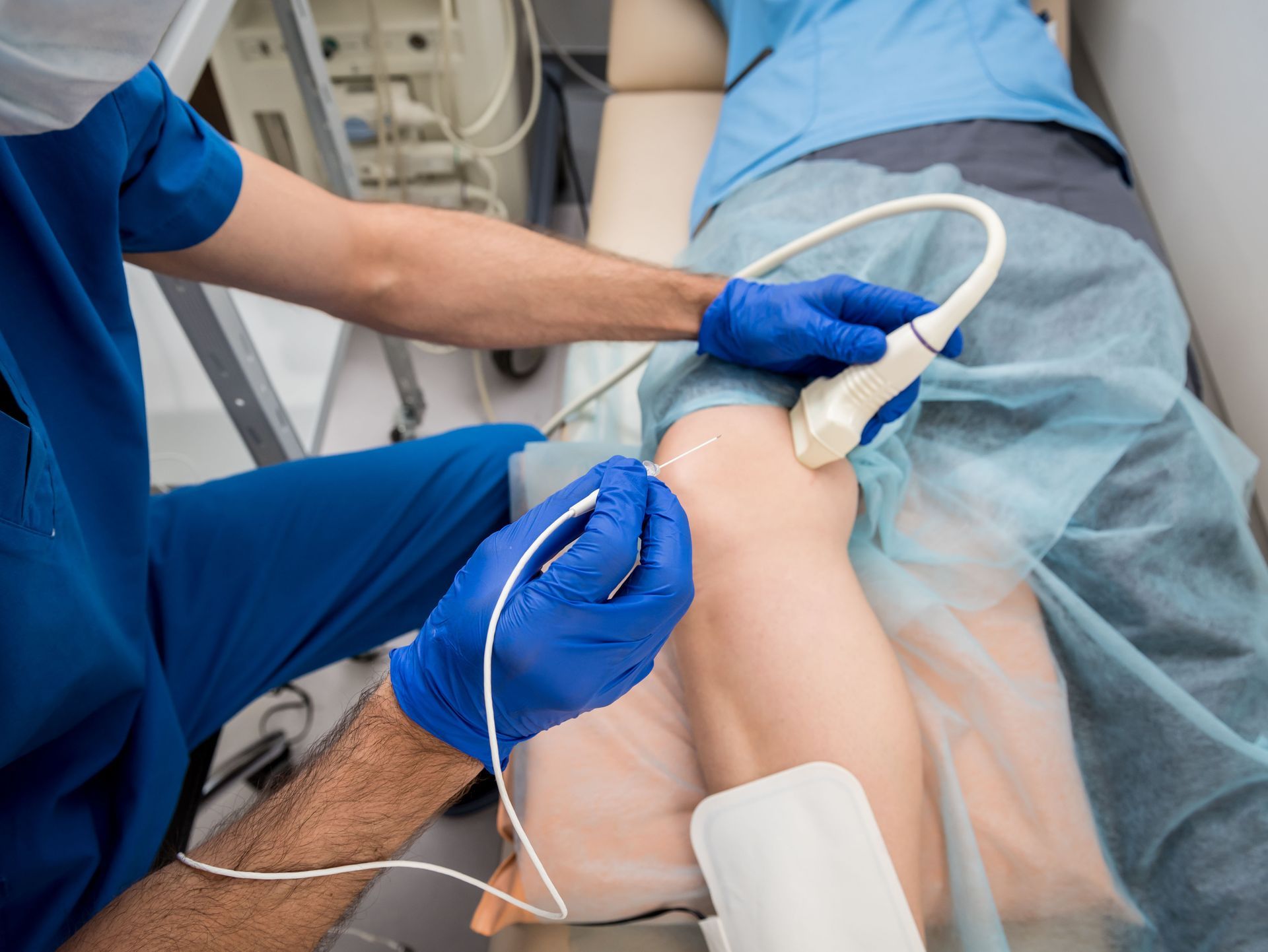
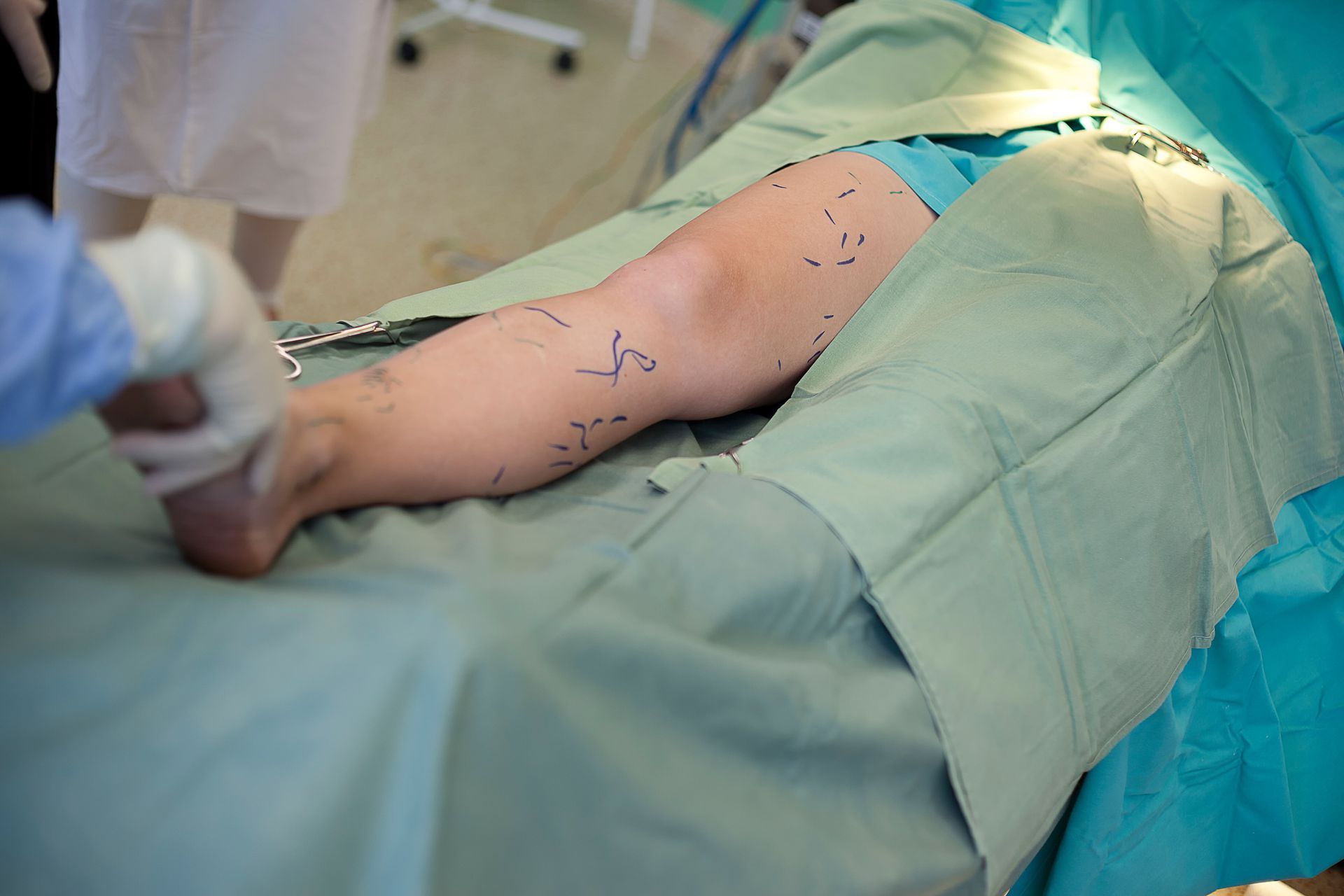
A duplex ultrasound helps identify faulty valves and the direction of blood flow. Clinician-prescribed compression may relieve symptoms, but a procedure may be recommended when troublesome symptoms or skin complications accompany confirmed vein dysfunction. Within vascular surgery care, endovenous ablation uses heat to close a malfunctioning vein so blood can return through healthier vessels. Sclerotherapy may address smaller varicose veins; the appropriate option depends on which vessels are affected and what the evaluation shows.
Peripheral Artery Disease and Changes in Walking
Peripheral artery disease, or PAD, develops when narrowed arteries restrict blood flow, commonly to the legs. Unlike venous pooling, this problem limits the delivery of oxygen-rich blood to tissues. Calf cramping during walking that improves with rest is a familiar symptom, although women may have less typical discomfort or reduced walking ability without that recognizable pattern.
According to the American Heart Association, women's lifetime risk of developing peripheral vascular disease can reach 27.6%. That upper estimate concerns peripheral artery disease in Black women, highlighting why risk deserves attention even when symptoms are subtle. A woman who starts avoiding walks because her legs tire or hurt may gradually accept a limitation that warrants medical evaluation. Cold feet, numbness, and wounds that heal slowly can also point to impaired circulation.
Medication and supervised exercise therapy are often part of treatment. If walking remains significantly limited despite appropriate care, vascular surgery may be considered to improve blood flow and function. Angioplasty opens a narrowed artery with a balloon, stenting helps support an artery, and bypass creates a route around a blockage. Pain caused by poor circulation at rest or nonhealing wounds may signal a more urgent threat to the limb and require prompt assessment for intervention.
Deep Vein Thrombosis and Urgent Evaluation
Deep vein thrombosis, or DVT, occurs when a clot forms in a deep vein, often in the leg. Pregnancy, the period after childbirth, recent surgery, and certain estrogen-containing medications can increase risk. New swelling in one leg, tenderness, warmth, or redness should receive prompt medical evaluation rather than being assumed to be a muscle strain or routine fluid retention.
The danger extends beyond the affected leg because part of a clot can travel to the lungs and cause a pulmonary embolism. Sudden shortness of breath, chest pain, or coughing up blood requires emergency medical attention. Ultrasound can help determine whether a clot is present and where it is located. The findings guide treatment along with the patient's symptoms and medical history.
Anticoagulant medication is the usual treatment for many patients, helping prevent clot growth while the body gradually breaks down the clot. Vascular surgery is not routinely required for every DVT diagnosis. In selected cases involving extensive clotting, severe symptoms, or threatened circulation, treatment to dissolve a clot may be considered. Because such treatment can increase bleeding risk, its potential benefit must be weighed carefully against the patient's circumstances.
Carotid Artery Disease and Stroke Prevention
The carotid arteries in the neck supply blood to the brain. Plaque buildup can narrow these vessels, and material from the plaque can contribute to a stroke. High blood pressure, elevated cholesterol, smoking, and increasing age are among the factors that may raise concern. A woman may have carotid disease without feeling pain or noticing a gradual change in circulation.
Sudden weakness on one side of the body, trouble speaking, or loss of vision requires emergency care, even if the symptoms resolve. A temporary episode can be a transient ischemic attack, which still warrants urgent evaluation. Treatment decisions afterward depend partly on whether the affected artery is responsible for the symptoms and how severely it is narrowed.
Vascular surgery may be recommended for selected patients whose stroke risk makes intervention worthwhile. Ultrasound and other imaging help define the blockage, while overall health and procedural risk influence the recommendation. Some women benefit from medication and monitoring; others may need a procedure to address significant narrowing. For disease without symptoms, the expected preventive benefit requires particularly careful consideration.
Abdominal Aortic Aneurysms in Women
An abdominal aortic aneurysm develops when a weakened section of the body's largest artery expands. Although these aneurysms are less common in women than in men, they deserve attention because rupture can cause life-threatening internal bleeding. Smoking history, age, and family history help a clinician determine whether screening is appropriate. Many aneurysms produce no symptoms before they are discovered through imaging.
A smaller, stable aneurysm may be monitored rather than repaired immediately. Its diameter, growth rate, and any associated symptoms help determine when vascular surgery is recommended. Women can experience rupture at smaller aneurysm sizes than men, so assessment must account for that difference instead of applying an identical decision to every patient.
Repair is generally considered when the risk of rupture outweighs the risks of intervention. Imaging also helps the surgeon evaluate the artery's anatomy and plan treatment. Sudden, severe abdominal or back pain, especially with fainting, calls for emergency medical attention rather than waiting for a scheduled appointment.
How a Surgical Recommendation Is Made
An appropriate recommendation connects the diagnosis with a specific goal, such as improving walking, treating vein-related symptoms, protecting a limb, or lowering the risk of rupture or stroke. The presence of an abnormal blood vessel alone does not settle the decision. Symptoms, imaging findings, other medical conditions, and the response to previous treatment all contribute to the assessment.
When vascular surgery is discussed, patients should understand why intervention is being considered now and what alternatives remain available. A minimally invasive approach may suit one person's anatomy, while another condition calls for a different procedure or continued monitoring. The discussion should also cover possible complications, recovery expectations, and follow-up. Pregnancy, current medications, and a history of bleeding or clotting can affect planning, making a complete medical history especially important.
Women deserve a clear explanation of changes in their circulation and a treatment recommendation that reflects their individual needs. Seeking an assessment creates an opportunity to address the problem before it places greater limits on daily life or becomes an emergency. At Atlanta Vascular Specialists, we evaluate venous and arterial conditions and help patients understand their medical, minimally invasive, and surgical treatment options. Contact us to discuss your symptoms and whether further evaluation is appropriate.







Subscribe to our newsletter
Stay up-to-date on news from Atlanta Vascular Specialists